Isometric illustration of people working around a large human head with visible brain, connected to data systems and ideas

Mind over Metrics: How Cognitive Neuroscience Is Changing Organizational Decision-Making

Spoorthi KalapatapuAnveshan, Issue 67, Volume 7

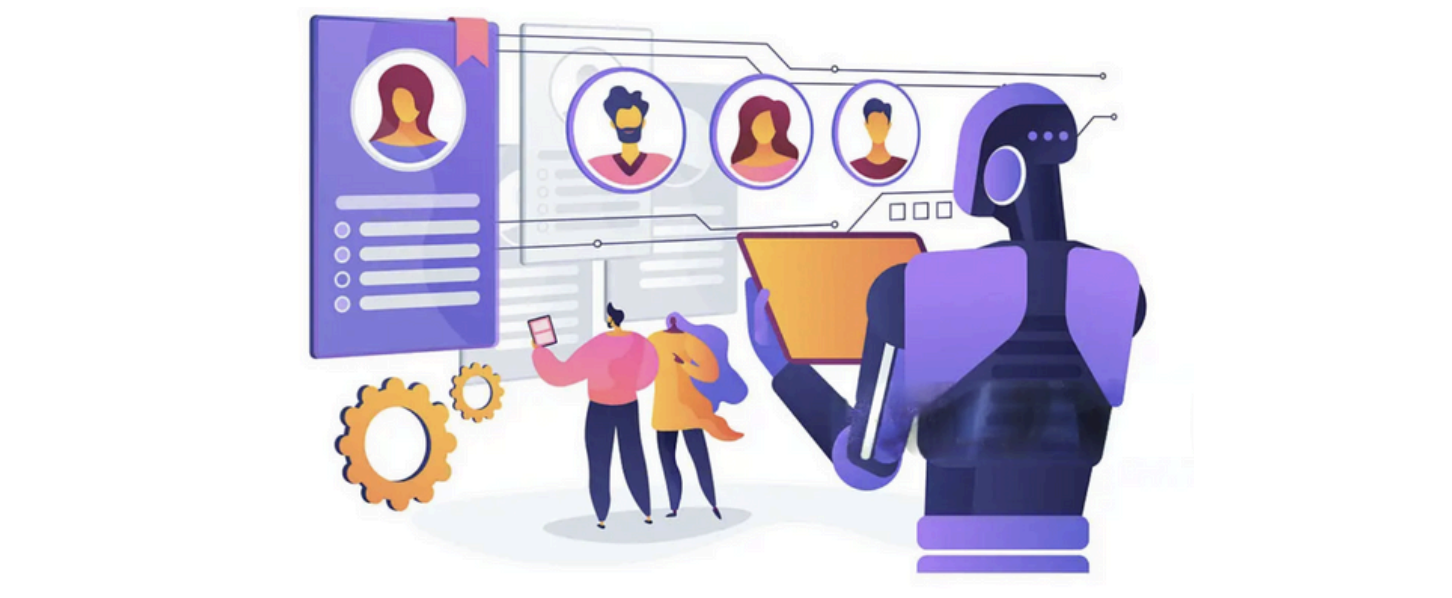
Decision-making sits at the heart of organizational life: who gets hired, promoted, funded, or trusted with responsibility. For years, organizations have tried to improve these decisions by balancing judgment and experience with data, analytics, and economic models. Yet many costly decision failures persist, not because leaders lack information, but because they are human. Over the last decade, growing attention has …

Illustration of a scale balancing work elements like briefcase and clock against health symbols like heart and medical

Employee Wellbeing and Organizational Success: Insights from Industrial Psychology

Subasini GirivasuAnveshan, Issue 67, Volume 7

“Employee Wellbeing is not a part of the organizations; It’s the heart of the organizations” Employee safety and welfare can be considered the backbone of any organization. Proper working conditions and adequate health facilities should be treated as key priorities. To minimize workplace hazards, appropriate safety equipment must be provided, along with a trained safety and first-aid team. Regular training …

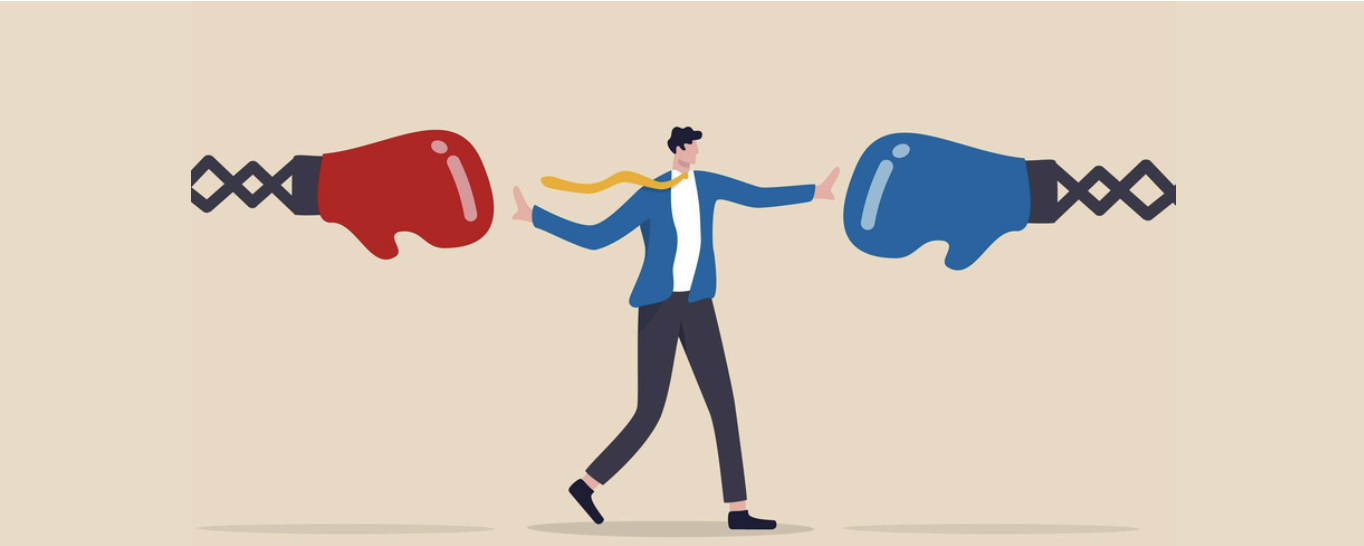
Illustration of a businessman in a blue suit standing between large red and blue boxing gloves, arms outstretched as if

Mind over Metrics: How Cognitive Neuroscience Is Changing Organizational Decision-Making

Devika (Team IIBP)Anveshan, Issue 67, Volume 7

It is easy to get carried away while doomscrolling on Instagram, repeatedly encountering videos discussing the same viral trends. Do you use girl math to justify spending because you’re “just a girl”? Have you labelled your male friend who drinks matcha and listens to Beabadoobee as “performative”? How many videos have encouraged you to “embrace your femininity”? Content like this …

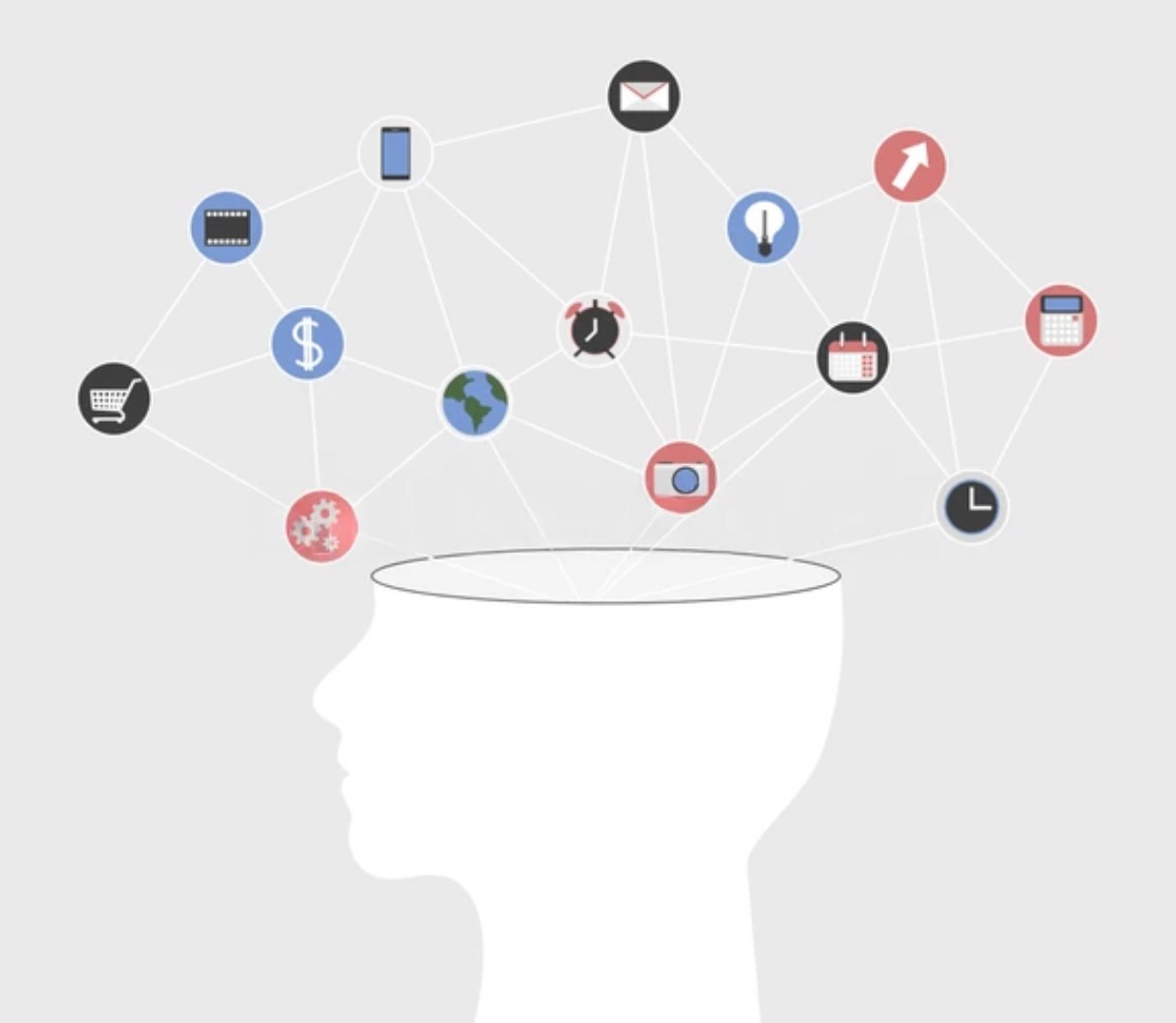
Silhouette of a human head with a network of digital and social media icons floating above, representing adolescent

Adolescent Identity in Flux: Navigating Self-Concept in a Hyperconnected World (2025)

Mr. Manjunath SAnveshan, Issue 66, Volume 6

The year 2025 marks a profound inflection point in human development, particularly in the turbulent, identity-shaping stage of adolescence. For today’s youth, the distinction between “online” and “offline” has dissolved entirely. They are not simply using technology; they are living as digital hybrids, fluidly blending biological existence with virtual embodiment. Within this mixed-reality ecosystem ruled by hyper-realistic AI, immersive metaverse …

Letting go of Emotional Baggage: The Psychology of Closure

Aswathy Aliza PhilipAnveshan, Issue 66, Volume 6

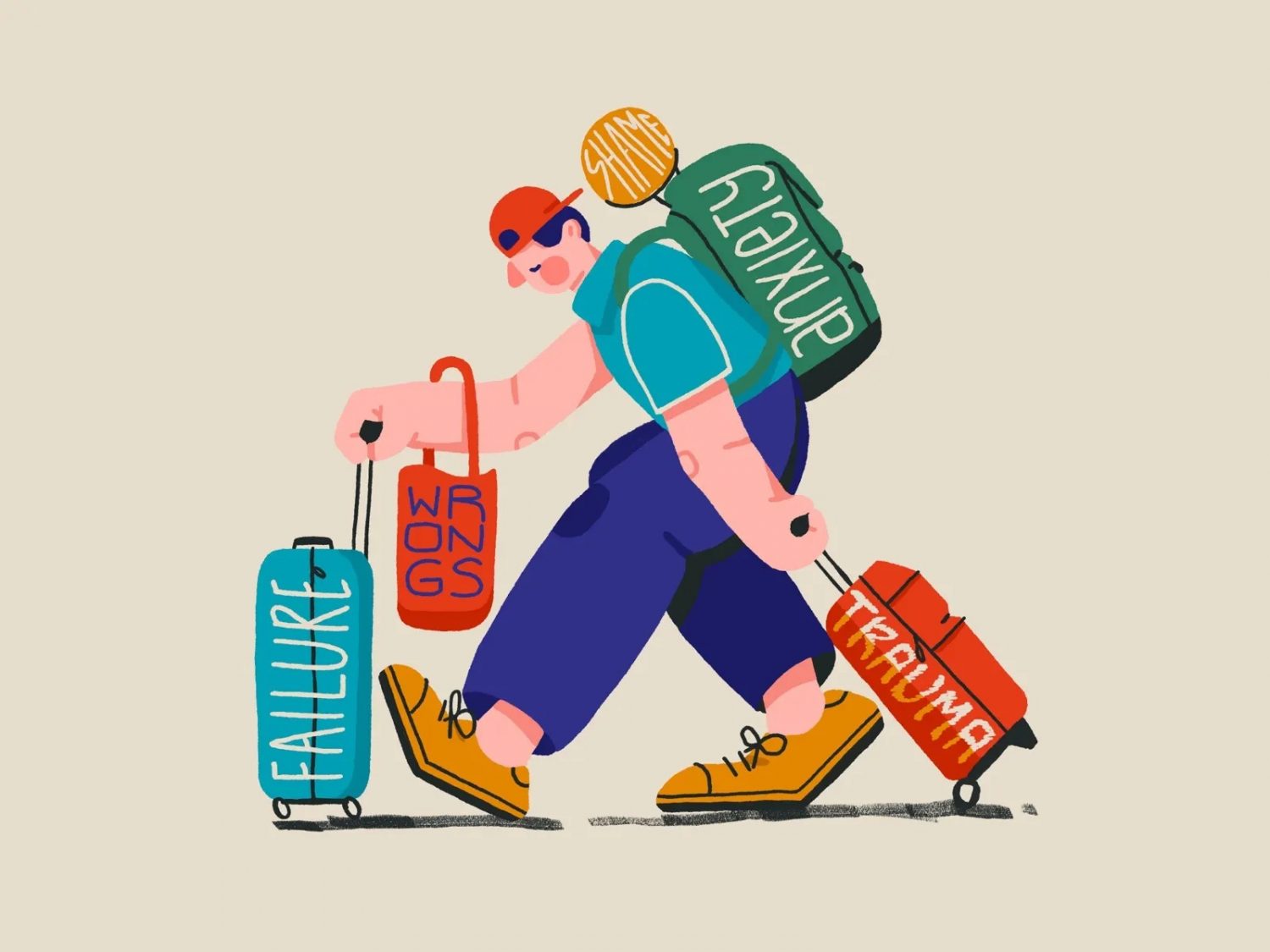
The famous Japanese author, Haruki Murakami, wrote ”Pain is inevitable. Suffering is optional.” The difference between the two is monumental. While we all experience pain, suffering is what happens when we hold on to the painful experience much longer than necessary. This creates emotional baggage, which we find ourselves unable to let go of. Of course, no one chooses to …

Four team members raising hands together toward a glowing lightbulb, symbolizing collaborative innovation and shared ideas.

Team Dynamics Debrief: How Collaboration Evolved in 2025

Shreya MalagiAnveshan, Issue 66, Volume 6

Today, 74% of organisations operate in a hybrid model, yet thisevolution is far from a triumph of efficiency or equity. Instead, the year has revealed hybrid work not as a panacea for flexibility, but as a severe stress test that has fragmented team dynamics, exacerbated systemic inequalities, and exposed profound failures in leadership and cultural coherence.  As 2025 draws to …

Illustration of a person inside a laptop screen using a magnet to pull in social media users, symbolizing how misinformation

Psychology of Misinformation: Why We Believe What We See Online

Freya VyasAnveshan, Issue 66, Volume 6

What make us believe a random social media post or reel more than a scientific or factual evidence.Even being from a psychology background. I wonder what goes in our mind that we believe misinformation easily. Elizabeth Loftus studied the effect of Misinformation on eyewitness testimony. Misinformation effect occurs when a person episodic memory is affected by post-event experiences. Misinformation is ...

The Emergence of Collective Anxiety Amid Uncertainty

Manisha NathAnveshan, Issue 66, Volume 6

Picture this: you’re in the break room with your coworkers, the TV plays a random news channel, mostly white noise, until a red banner flashes across the screen – another economic jolt, another climate emergency, another headline marked by uncertainty. You sense something shared settling in the room, a quiet, collective unease. In moments like these, we’re not just individuals …

Cracking the European Job Market: How to Land Your Dream Role Without a Local Degree

Admin IIBPPsychology@Work

Is it possible to build a psychology career in Europe without a European master’s degree? For many professionals, the dream of working abroad often hits a wall of degree requirements, visa complexities, and local market nuances. The path seems steep, but as our next guest proves, it is entirely possible with the right strategy. We are thrilled to announce Episode 12 …