Entrepreneurship research discusses positive motivators like passion, self-efficacy, and identity. Although these factors still remain important, there have been new studies that state negative expectations such as being told you will fail, can actually increase persistence in entrepreneurship. This is associated with Psychological Reactance Theory (PRT) and is referred to as the underdog effect. So, saying that an entrepreneur is …
Equal Work, Unequal Raises
The goal of equal compensation for equal work has been a mission globally for a long time now. But worldwide, women make about 20% less money than men do, and efforts to close this disparity have been sluggish. This is a result of discrimination, and workplace structures may also unintentionally encourage unequal raise. On one hand, framing raises in budgets …
Why Do Some Companies Build Elite Workforces While Others Settle?
Imagine a company’s human resources (HR) department is like building a championship sports team. A “High-Performance Work System” (HPWS) means the company is paying for top-tier talent scouts, premium player salaries and the very best trainers to get maximum results. We already know these “championship teams” win more games and make more money but this paper asks a simple question: …
Top 5 trends in business psychology that can impact the Indian workplace in 2026
2026 is off to an eventful start. Bringing with it ideas that may alter the very landscape of organizations, the upcoming months may witness trends that revolutionize work culture and employee well-being. Business Psychology stands at the intersection of employee well-being and organizational efficiency, dedicated to mapping out how psychological factors influence performance and productivity, as well as the maintenance …
Automating Intimacy
Generative AI is not capable of replacing human judgement and ethical responsibility that we have in real intimate or therapeutic relationships, it’s just a software. But, it is being promoted as an emotional partner which could cause confusion between stimulated intimacy and real connection. In 2022, AI was seen as a tool for productivity instead of a partner. This is …
Beyond the 9-to-5: The Psychological Power of Microshifting
For decades, the continuous eight-hour block was the unshakeable pillar of the corporate world. However, as we navigate the evolving landscape of 2026, the conversation is shifting from where we work to when we work. We are witnessing the rise of microshifting, a trend that is rapidly redefining the psychological contract between employer and employee. Microshifting is defined as breaking …
The Shift to “Agentic AI” in HR Operations
Remember when we thought of Artificial Intelligence as merely a smart tool like a sophisticated calculator or a chatbot that waited patiently for us to type a prompt? That era is already fading. We are witnessing a profound psychological and operational shift in business: the transition from AI as a “tool-mate” to AI as a “teammate”. Welcome to the age …
Underemployment: Obstacle or Opportunity?
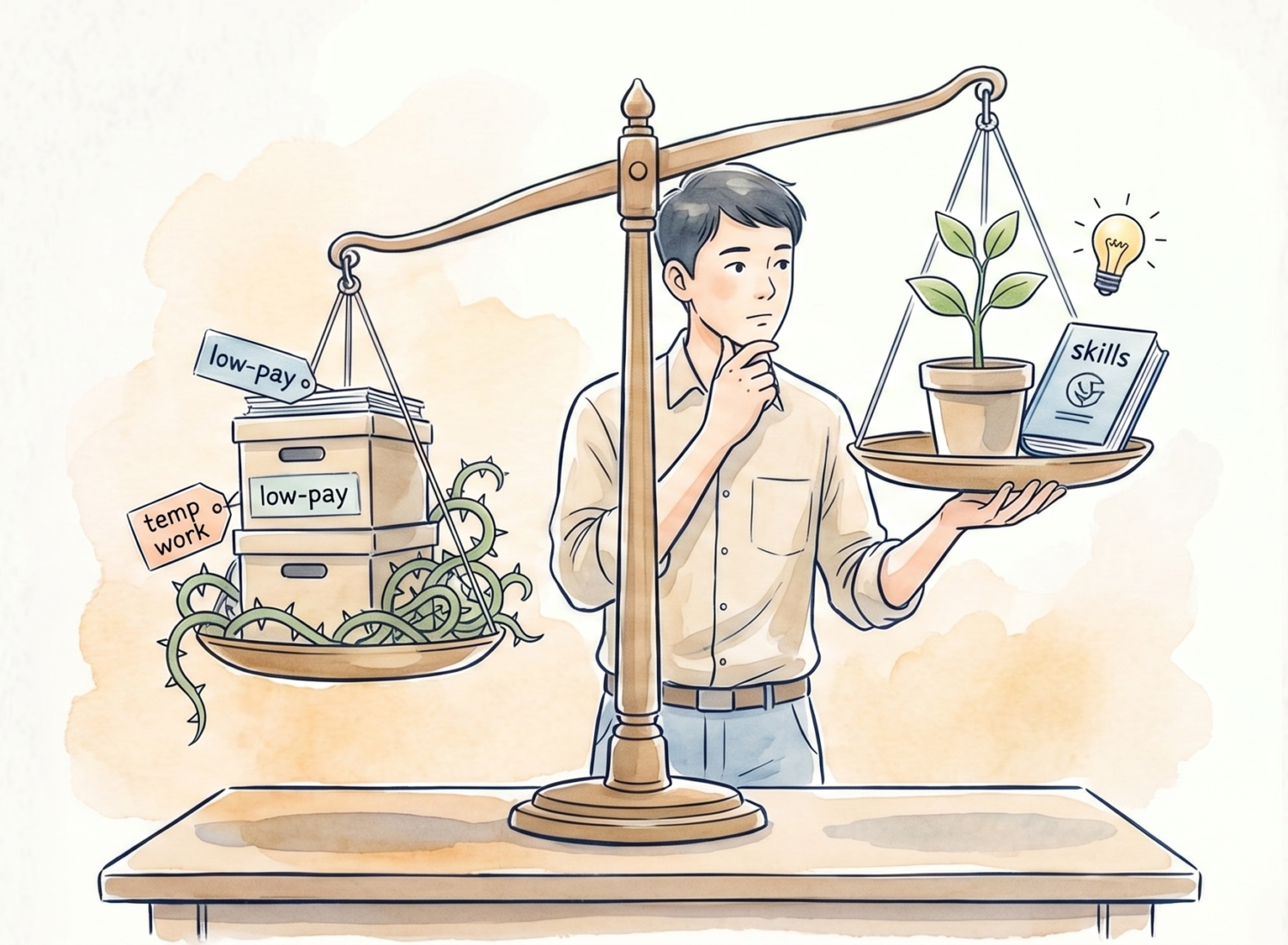
The feelings of underemployment for new employment form workers such as platform and gig workers creates both a risk and an opportunity. Underemployment here refers to the subjective experience of underused potential at work. It can either boost or damage the career satisfaction of employees depending on the perception of their skill, education, or the time that is being underutilised. …
Are Algorithms the New Boss? Exploring Al’s Role in Recruitment and Leadership
Artificial intelligence (AI) is rapidly reshaping the modern workplace, raising an important question for Industrial/Organisational (I/O) psychology: are algorithms becoming the new boss? From résumé screening to performance monitoring and leadership decision-making, AI-driven systems are increasingly embedded in organisational processes. While these tools promise efficiency and objectivity, they also introduce new psychological, ethical, and organisational challenges that I/O psychology is …
Do You See What I See? How Social Media Filters Shape Our Perceptions of Reality
Psychologically, social media filters transcend mere digital embellishments. They function at the nexus of perception, cognition, emotion, and identity, subtly shaping how individuals perceive reality, assess themselves, and comprehend others. Although filters are frequently viewed as innocuous enhancements, psychological investigations indicate that their pervasive application significantly impacts mental processes associated with self-concept, social comparison, and the construction of reality. At …