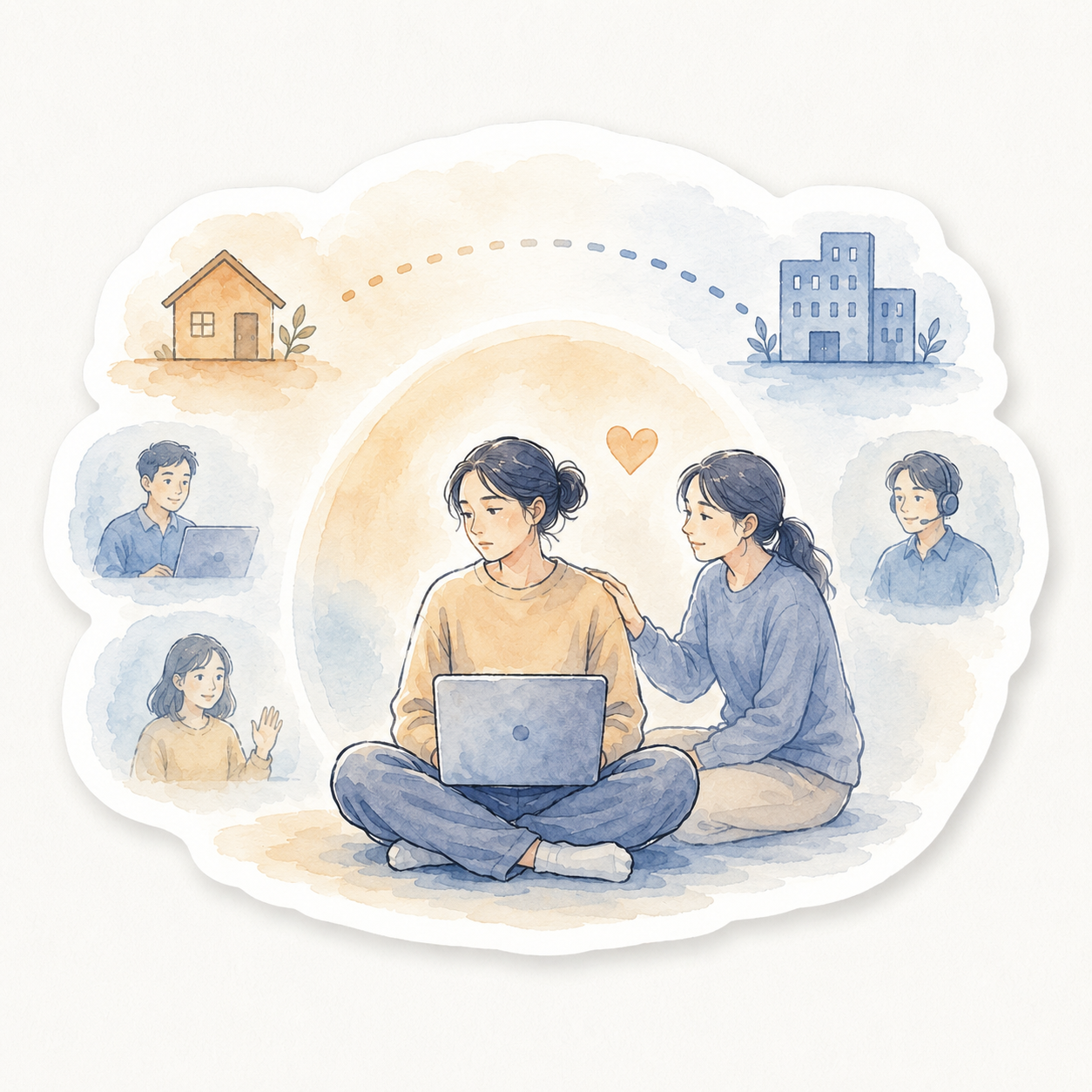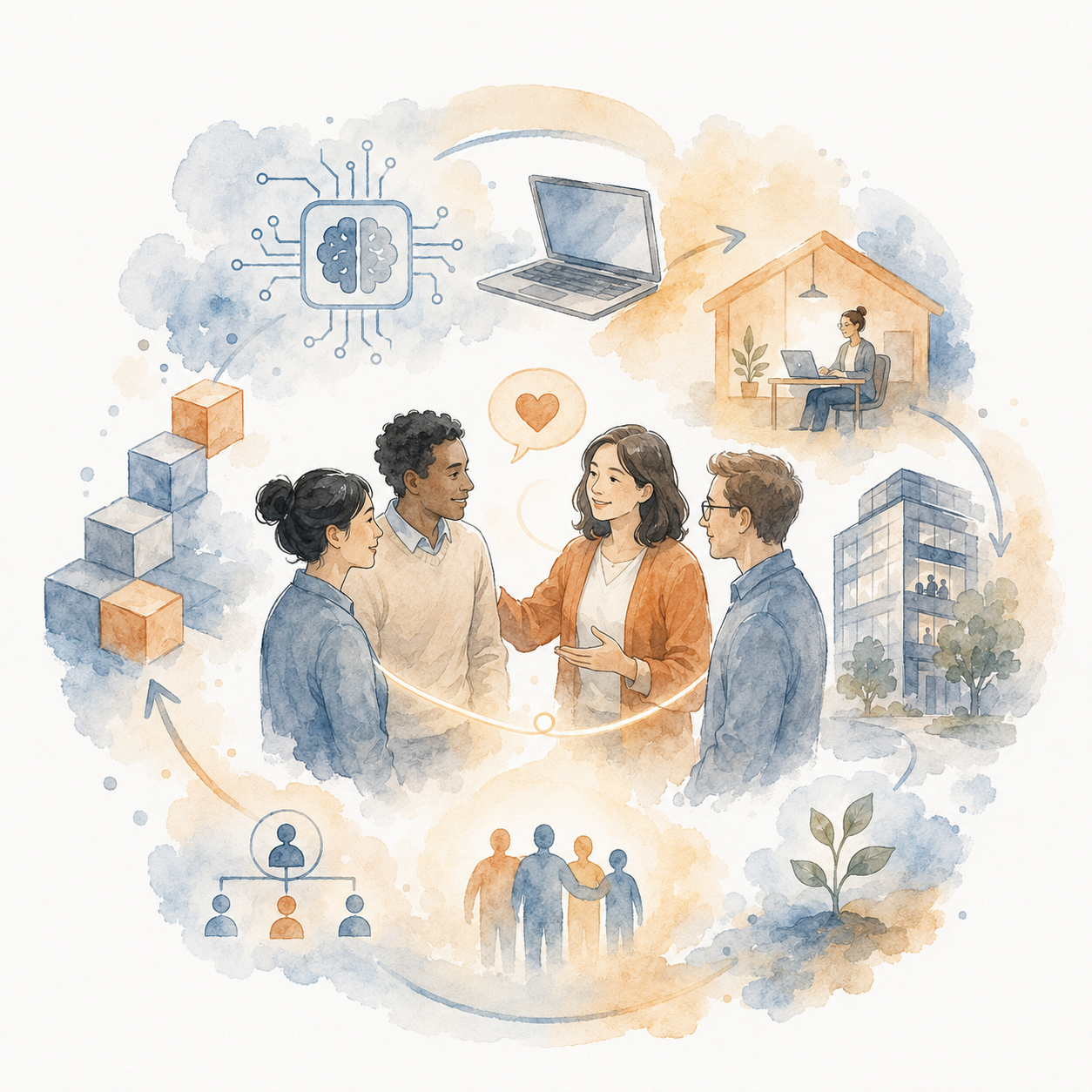
At work, people don’t just complete a certain amount of tasks but rather they get a sense of who they are. So when the normal shape of work changes, identity may become fragile. Since, through work employees form a work identity such as pride in their skills, career or accomplishments and a collective identity like feeling part of a team …
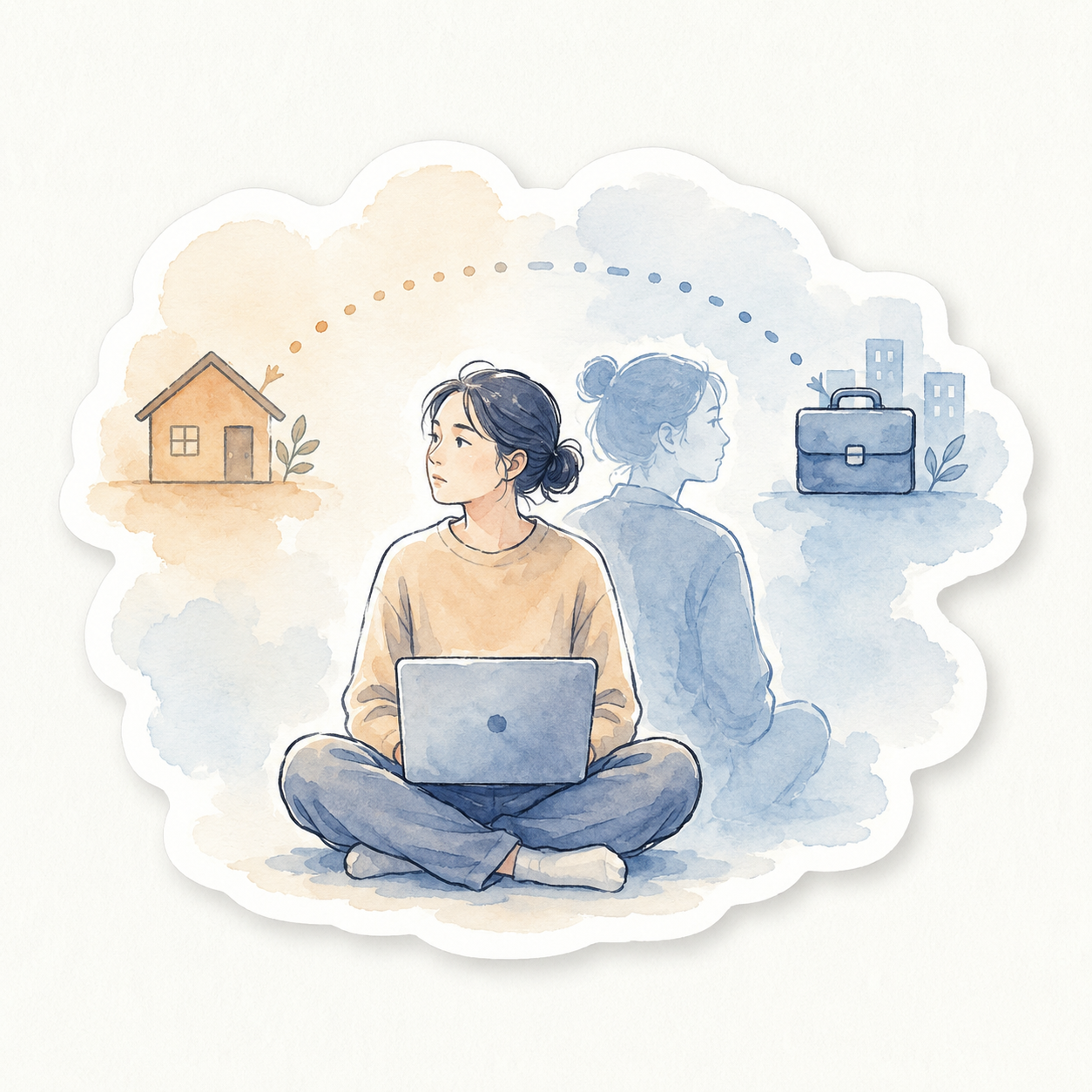
Loneliness, psychological safety climate and wellbeing during changing work environments
Change at work is not restricted to just mergers or new management. It can also happen through changes in the way work is organized such as through remote or hybrid work, or reduced contact with colleagues like it happened during Covid-19. Such changes can impact so much more than just work for employees, it can affect them socially and emotionally …
Subgroups under the surface
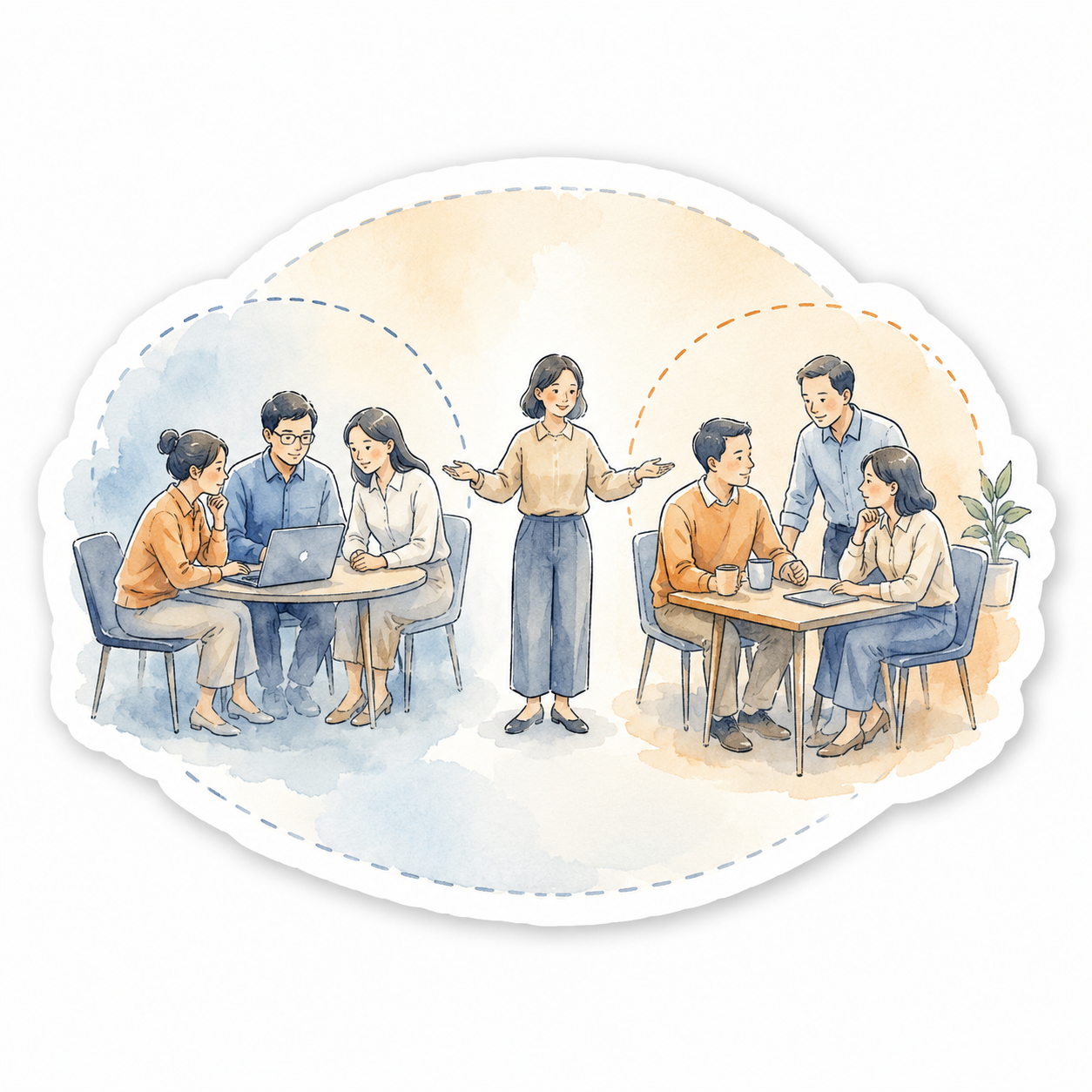
Many of us have probably seen it happening. After a team forms, subgroups tend to also form over time. All the people who have been in the company for long will sit together, analysts talk with other analysts, engineers with other engineers and so on. Employees who work remotely may become a group of their own and most of the …
The Pyramid Reappears: What Leaderless Teams Reveal About Human Nature
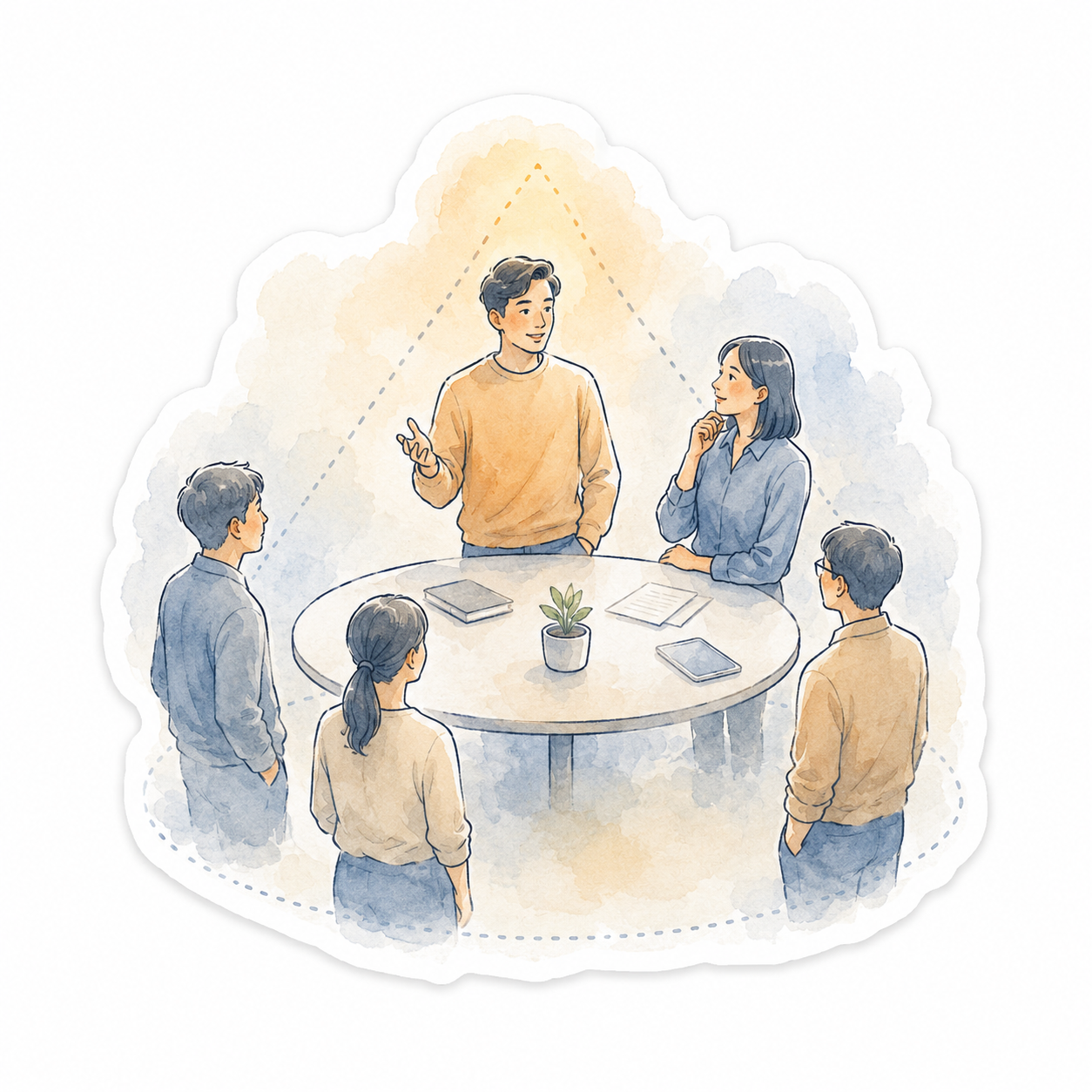
Organisations have spent the last decade flattening hierarchies. Agile teams, decentralised managements, self-organising squads – for all of these, the architectural logic is consistent: distribute the power and let everyone’s voice matter equally. It’s a compelling vision. A new longitudinal study published in the Journal of Occupational and Organisational Psychology suggests that the reality might be more complicated. What the study …
Organisational change and the risk of leaving people behind
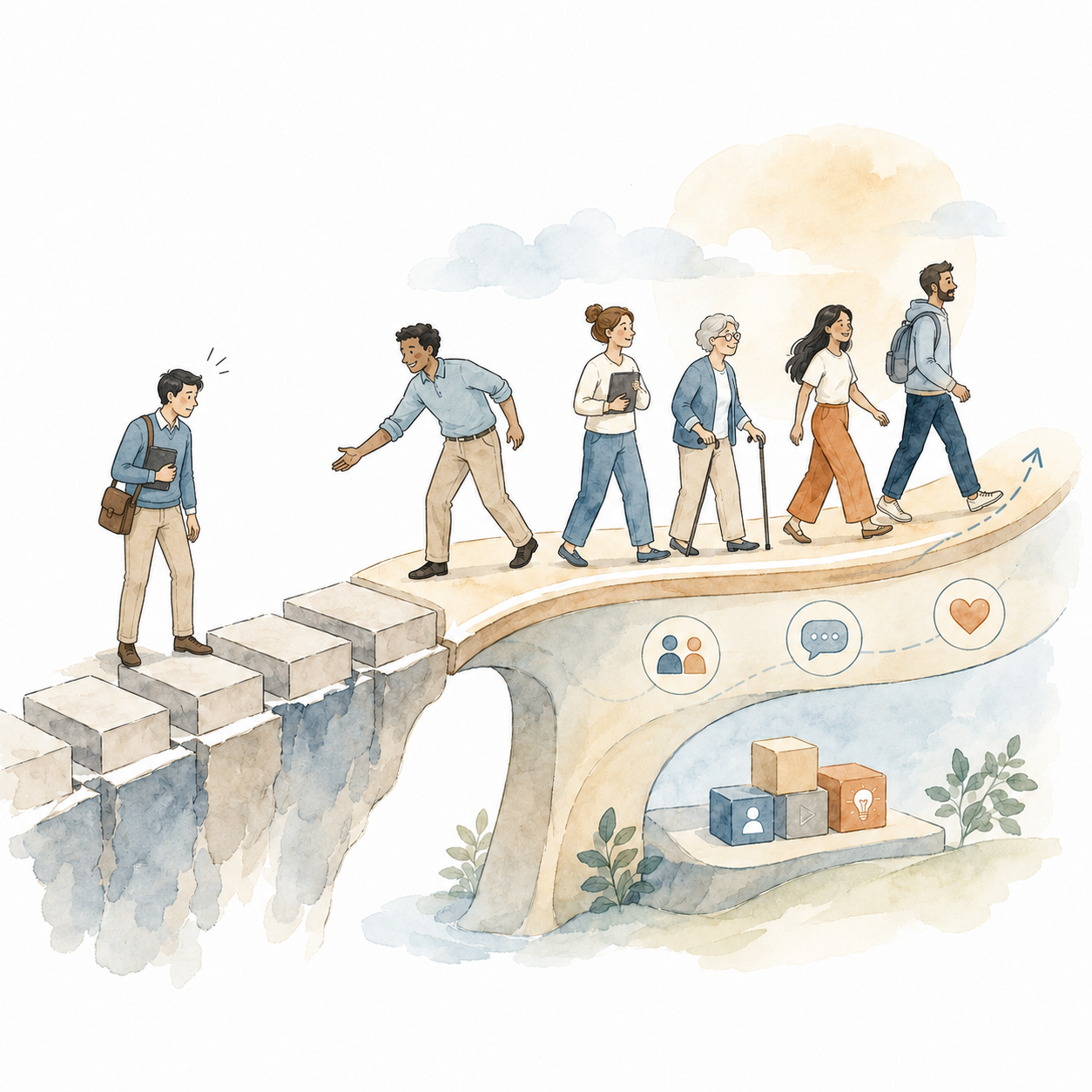
When footwear companies manufacture shoes, they don’t design a single “average” size and force everyone to wear it. And yet, when designing change in organisations, we often create a rigid “Standard Employee” framework and expect a diverse workforce to fit into the same mould. When processes are too rigid employees are frequently left behind and this happens not because they …
The Human Side of Business Transformation
What Never Changes in a Changing Organization If someone asked me to describe the last two decades of my career in one word, it would be “CHANGE” Economic reforms, Globalization, Outsourcing, The financial crisis, Digital transformation., Technology disruption, The rise of agile organizations, COVID-19, Hybrid work and now Artificial Intelligence. Every few years, a new wave arrived, promising to redefine …
When Careers Feel Unstable
When we talk about careers today, we can see a sharp rise in choices. From doctors, engineers, and academics, we are moving into a zone of multiple career choices. Who imagined content creation, social media management, the gig economy, graphic designing, or AI ethics as serious career paths? Previous waves of technology, like email or automated voice menus, also made …
Automation to Attrition
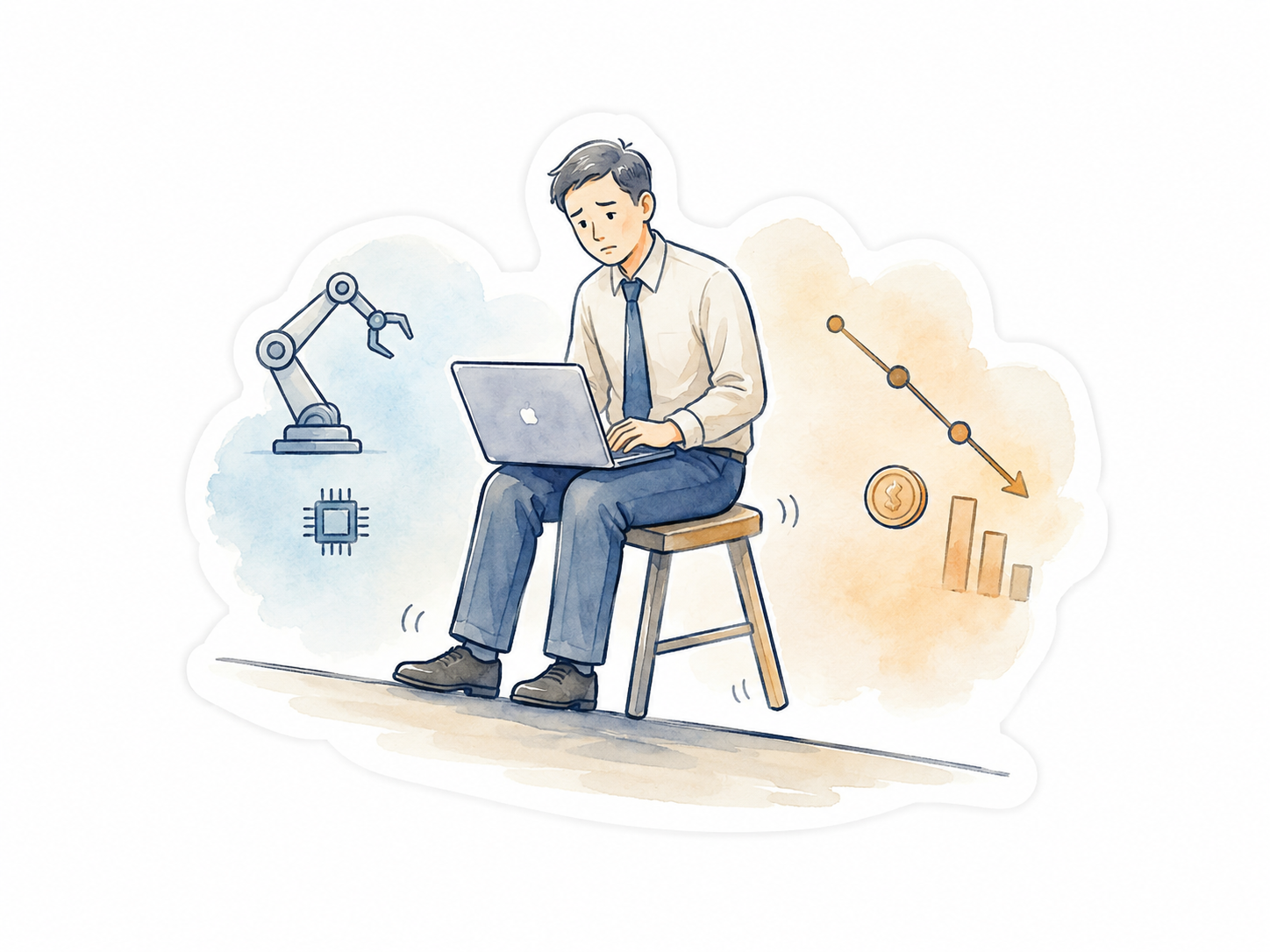
Industry 4.0 has made the career paths of employees unpredictable and diverse. Artificial Intelligence (AI) is becoming more and more integrated in the workplace which is bringing a shift in the traditional patterns of employee movement through large scale layoffs, occupational transitions and increased uncertainty in careers. It is projected to increase involuntary turnover across industries as machines continue replacing …
Why are your Top Leaders Moving to Competitors?
More than half of the leaders plan on leaving their current organization in the next 2 years! But the important question is not if they leave but rather where they go. So, what happens when the leader of your company changes their job and goes to your competitor? They have sensitive strategic information that can shift the competitive advantage. This …
A Curation Approach to Identity Management: The Costs of Combining Identity Expression and Suppression
Imagine walking into a new job and being met with an enthusiastic call to “bring your whole self to work.” It sounds welcoming, progressive, and deeply affirming. However, for many professionals from marginalized groups, particularly employees of color and women, this well-meaning directive presents a complex daily puzzle. The sociopolitical climate in many organizations has led to a push for …