The year 2025 marks a profound inflection point in human development, particularly in the turbulent, identity-shaping stage of adolescence. For today’s youth, the distinction between “online” and “offline” has dissolved entirely. They are not simply using technology; they are living as digital hybrids, fluidly blending biological existence with virtual embodiment. Within this mixed-reality ecosystem ruled by hyper-realistic AI, immersive metaverse …
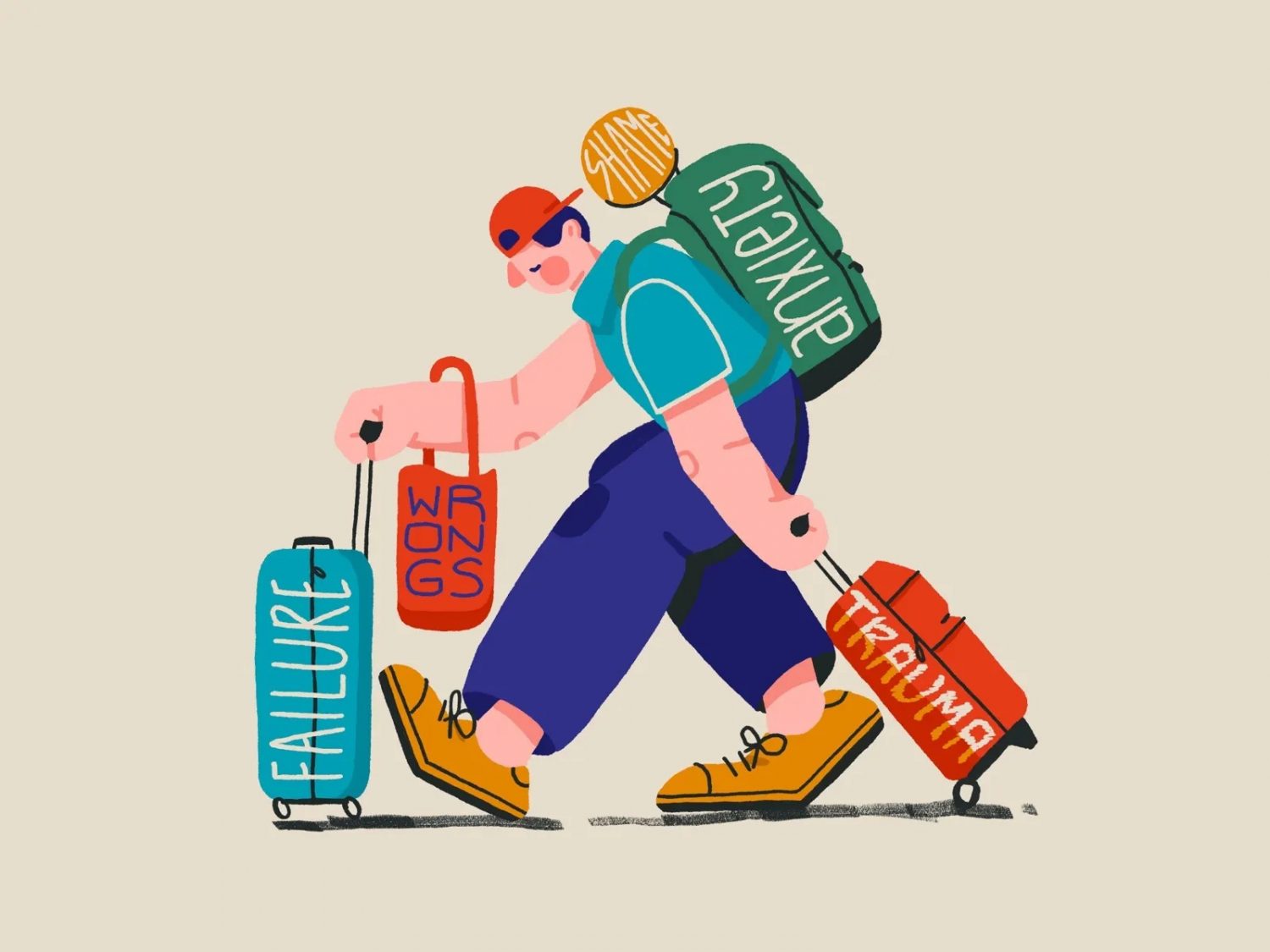
Letting go of Emotional Baggage: The Psychology of Closure
The famous Japanese author, Haruki Murakami, wrote ”Pain is inevitable. Suffering is optional.” The difference between the two is monumental. While we all experience pain, suffering is what happens when we hold on to the painful experience much longer than necessary. This creates emotional baggage, which we find ourselves unable to let go of. Of course, no one chooses to …
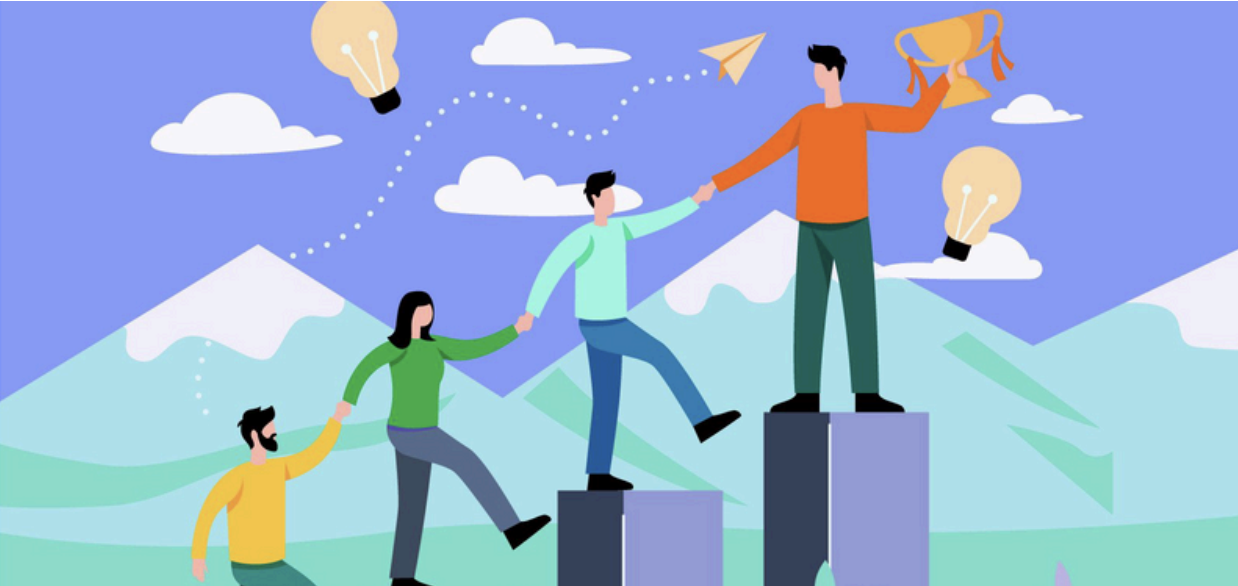
Team Dynamics Debrief: How Collaboration Evolved in 2025
Today, 74% of organisations operate in a hybrid model, yet thisevolution is far from a triumph of efficiency or equity. Instead, the year has revealed hybrid work not as a panacea for flexibility, but as a severe stress test that has fragmented team dynamics, exacerbated systemic inequalities, and exposed profound failures in leadership and cultural coherence. As 2025 draws to …
Psychology of Misinformation: Why We Believe What We See Online
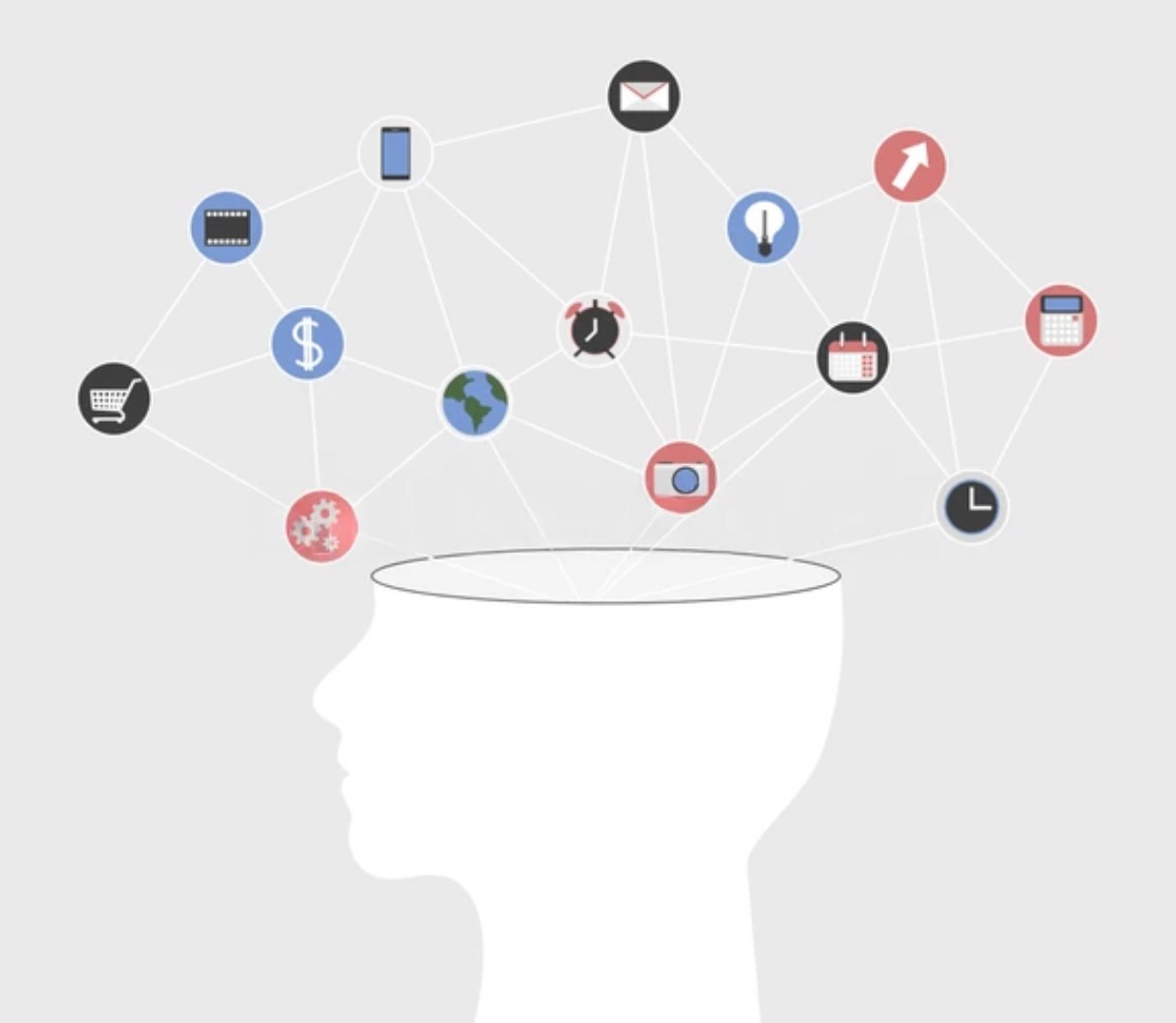
Digital Natives, Distracted Minds: Understanding Attention in the Age of Constant Connectivity
You see green grass around you, smell the fragrance of flowers, feel the warmth of the sun on your skin, and hear birds chirping. Everything feels calm until you are startled by the loud sound of bells ringing. It is unsettling; you open your eyes and realize your phone alarm is going off. From the first waking moment to the …
The Emergence of Collective Anxiety Amid Uncertainty
Picture this: you’re in the break room with your coworkers, the TV plays a random news channel, mostly white noise, until a red banner flashes across the screen – another economic jolt, another climate emergency, another headline marked by uncertainty. You sense something shared settling in the room, a quiet, collective unease. In moments like these, we’re not just individuals …
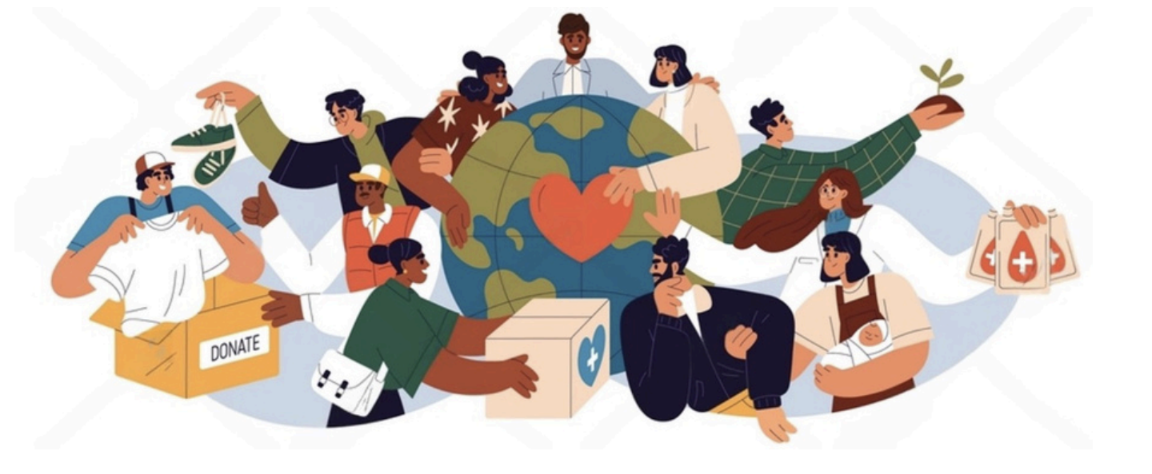
Volunteering and Psychological Well-Being: Fostering Connection through Service
“The best way to find yourself is to lose yourself in the service of others.”- Mahatma Gandhi In today’s fast-paced, often isolating world, the importance of fostering meaningful connections cannot be overstated. Volunteering, a simple yet powerful act of service, holds the potential to not only benefit those in need but also significantly enhance the well-being of the volunteer. Research …
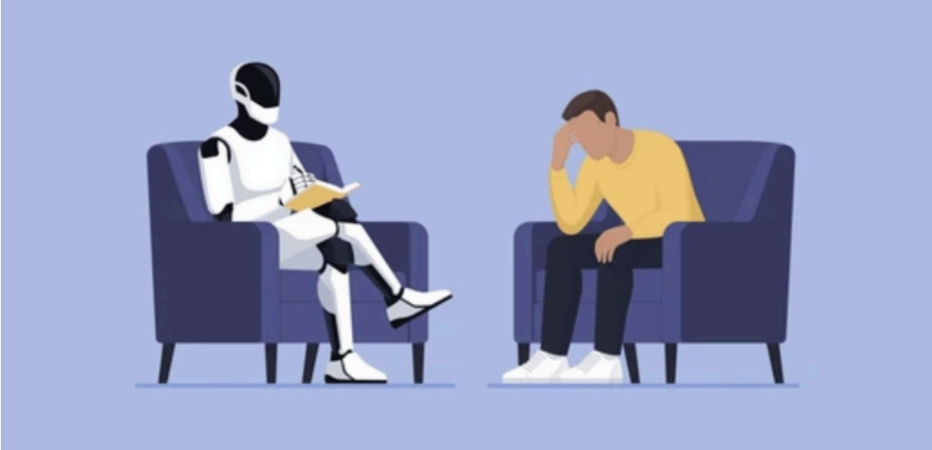
The Intersection of AI and Human Emotion: Can Machines Understand and Improve Group Dynamics in Corporates?
Emotions influence how employees communicate, cooperate and make decisions within organisations. Research shows that emotional expressions such as voice tone, language and facial behaviour shape collaboration because they signal respect, trust and inclusion (Barsade, 2002). When emotional signals are positive, members participate more and share ideas freely. When signals are negative or ignored, teams become quiet, information is withheld and …
The Halo Effect: How Good Deeds Shape Our Perception of People and Organisations
A century ago, American Psychologist Edward Thorndike observed something fascinating while studying military personnel. He observed that when commanding officers rated their subordinates on qualities such as leadership, character, & intelligence, soldiers who were simply taller or more attractive were consistently rated as more intelligent and better leaders (Thorndike, 1920). This cognitive shortcut was later coined as “halo effect” , …
The Neuroscience of Giving: Why Helping Others Feels So Good
Have you ever noticed that gentle rush of warmth after you do something kind whether it’s helping a stranger, donating to a cause, or simply checking in on a friend? That pleasant feeling isn’t just emotional, it’s neurological. Science shows that generosity lights up our brains in the same way that joy, love, and even good food do. Helping others …