Counter-dependence and its manifestations

Vijai PandeyBusiness Psychology, Coaching, Team Effectiveness

This article explores the concept of counter-dependence as it manifests in T-Group experiences and other group settings. Often misunderstood in pop psychology, counter-dependence is a dysfunctional behavior where individuals reject help and emotional closeness, even when they need it. Through real-life examples from T-Group sessions, we delve into the indicators of counter-dependence, such as resistance to feedback, avoidance of vulnerability, and overcompensation in self-reliance. Learn how this behavior impacts group dynamics and discover healthier alternatives for fostering trust and openness.

Emotional Intelligence Awareness Quiz

Admin IIBPEmotional Intelligence, Uncategorized 7 Comments

Check your awareness about Emotions and Emotional Intelligence with this quick and experiential quiz. At the end of the quiz, you will get your results and a gift to help you develop emotional intelligence further. Please feel free to share the url of this post with your friends/social media to help your network self-assess and benefit from resources given at …

Dr Ruchi Sinha

G-WOP 2026 SPEAKER – Dr. Ruchi Sinha

Admin IIBPNews Corner

Dr Ruchi Sinha: Organizational Psychology in Financial Services From Individual Talent to Senior Leadership As the banking and financial services sectors face rapid regulatory shifts, complex workforce transformations, and the rise of artificial intelligence, evidence-based leadership has never been more critical. The Indian Institute of Business Psychology (IIBP) is thrilled to spotlight Dr Ruchi Sinha as a featured presenter at ...

How free market leads to unfair society

Vijai PandeyPsychology@Work, Social justice

C THE IIBP THOUGHT LAB Experiment Paper Interactive economic thought experiment One thousand people.One fair coin. Everyone begins equal. Random trades follow. Watch what “fair” rules produce—and ask what fairness should mean beyond the coin flip. Run the experiment ↓ 01 / THE EXPERIMENT Equality enters.Chance begins. 1,000 people start with $100 each. Every round selects two distinct people uniformly …

Save the Date: The Global Work and Organizational Psychology (G-WOP) Conference

Team IIBPNews Corner

IIBP is partnering with more than 20 Industrial-Organizational psychology societies worldwide to bring members free entry to the second Global Work and Organizational Psychology (G-WOP) conference, a 24-hour virtual gathering built around connection, reflection and shared learning across the field. As the world of work changes, I-O psychology professionals face new challenges and new openings to collaborate. G-WOP brings the …

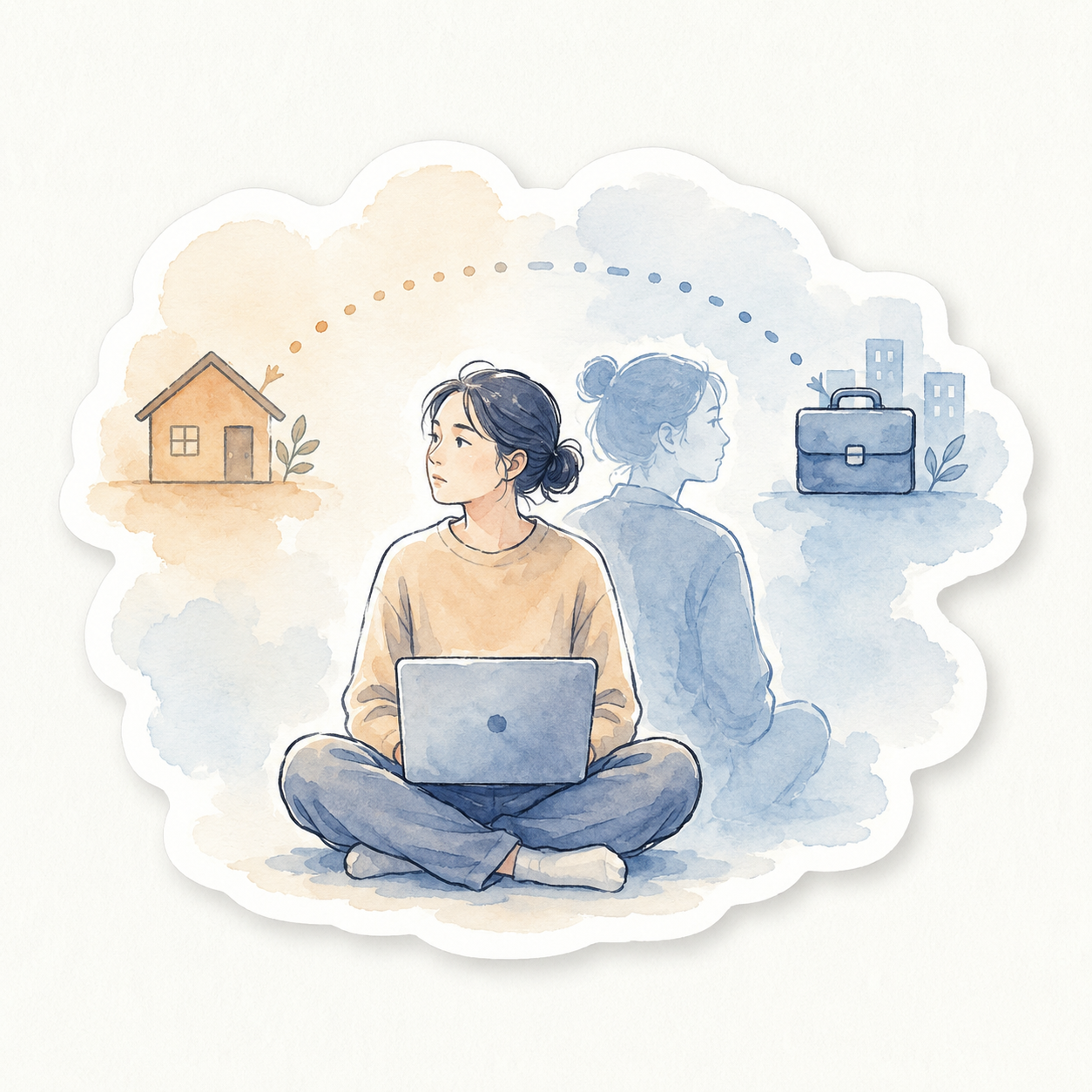
Illustration of a woman working on laptop at home while her translucent double faces away toward a briefcase and city

Work Identity in Distance and Change

Aayushee (Team IIBP)Anveshan, Issue 73, Volume 7

At work, people don’t just complete a certain amount of tasks but rather they get a sense of who they are. So when the normal shape of work changes, identity may become fragile. Since, through work employees form a work identity such as pride in their skills, career or accomplishments and a collective identity like feeling part of a team …

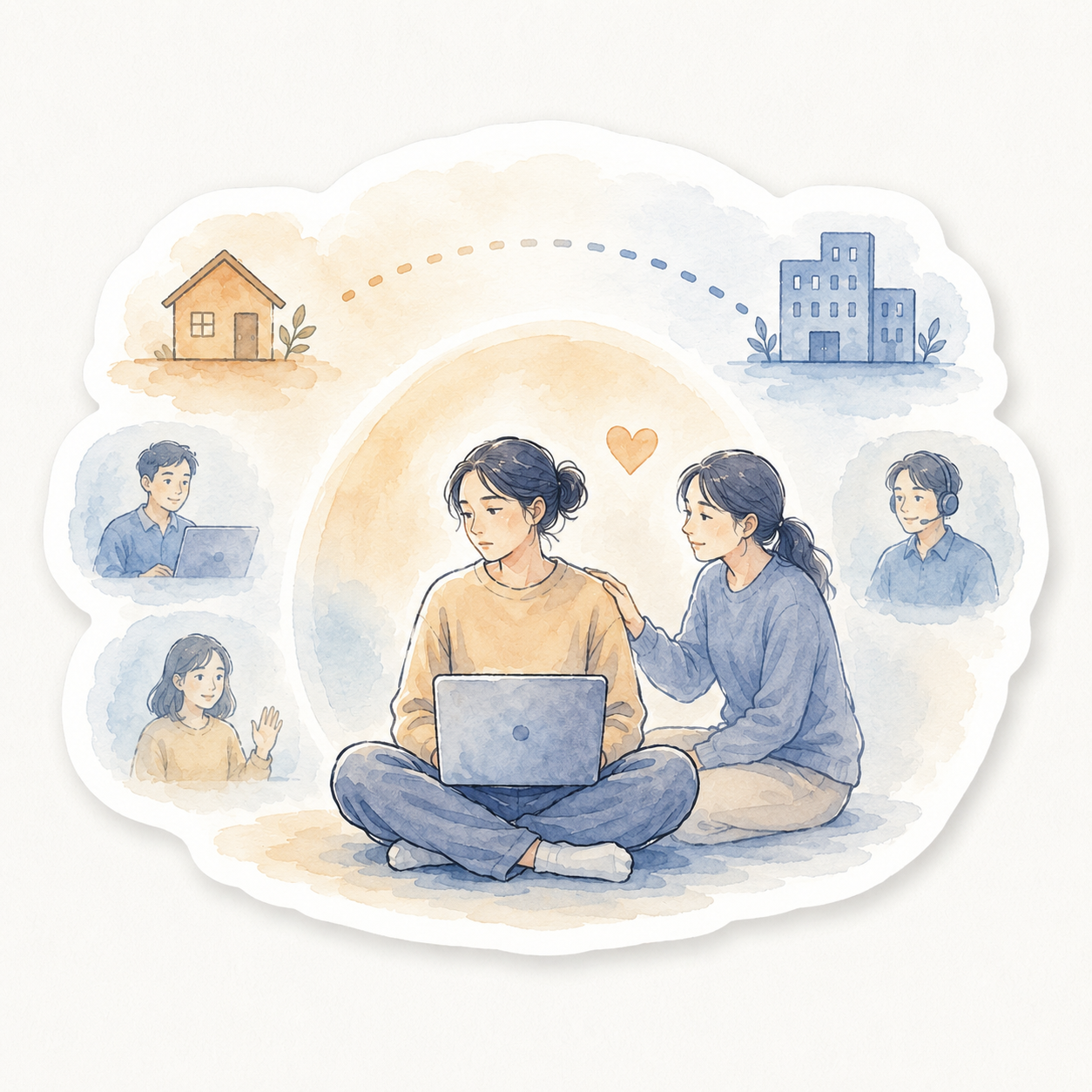
Watercolor illustration of a person working on a laptop at home while another offers comfort, with remote colleagues and

Loneliness, psychological safety climate and wellbeing during changing work environments

Aayushee (Team IIBP)Anveshan, Issue 73, Volume 7

Change at work is not restricted to just mergers or new management. It can also happen through changes in the way work is organized such as through remote or hybrid work, or reduced contact with colleagues like it happened during Covid-19. Such changes can impact so much more than just work for employees, it can affect them socially and emotionally …

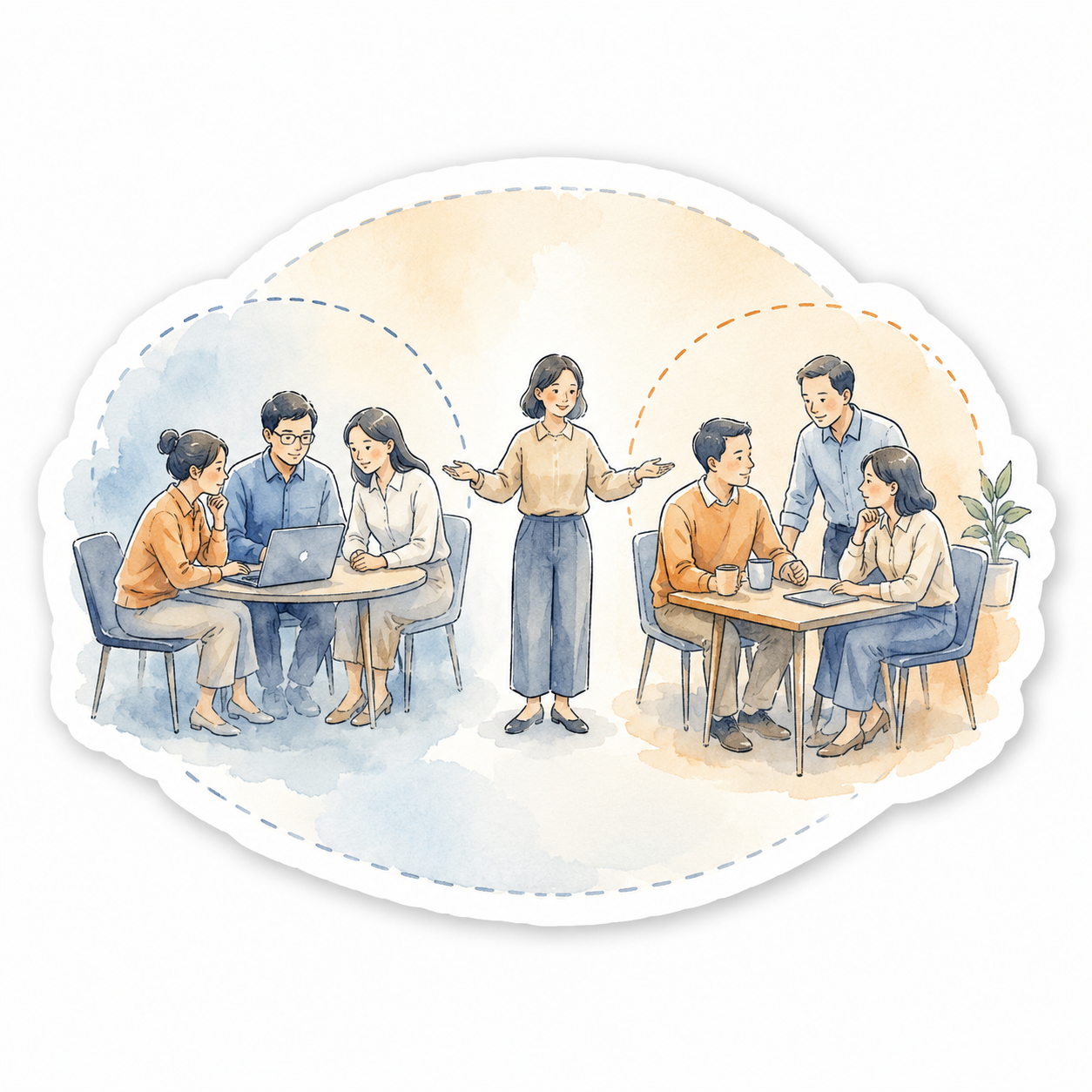
A leader stands between two employee subgroups at separate tables, with dashed circles showing the invisible divisions

Subgroups under the surface

Devika (Team IIBP)Anveshan, Issue 73, Volume 7

Many of us have probably seen it happening. After a team forms, subgroups tend to also form over time. All the people who have been in the company for long will sit together, analysts talk with other analysts, engineers with other engineers and so on. Employees who work remotely may become a group of their own and most of the …

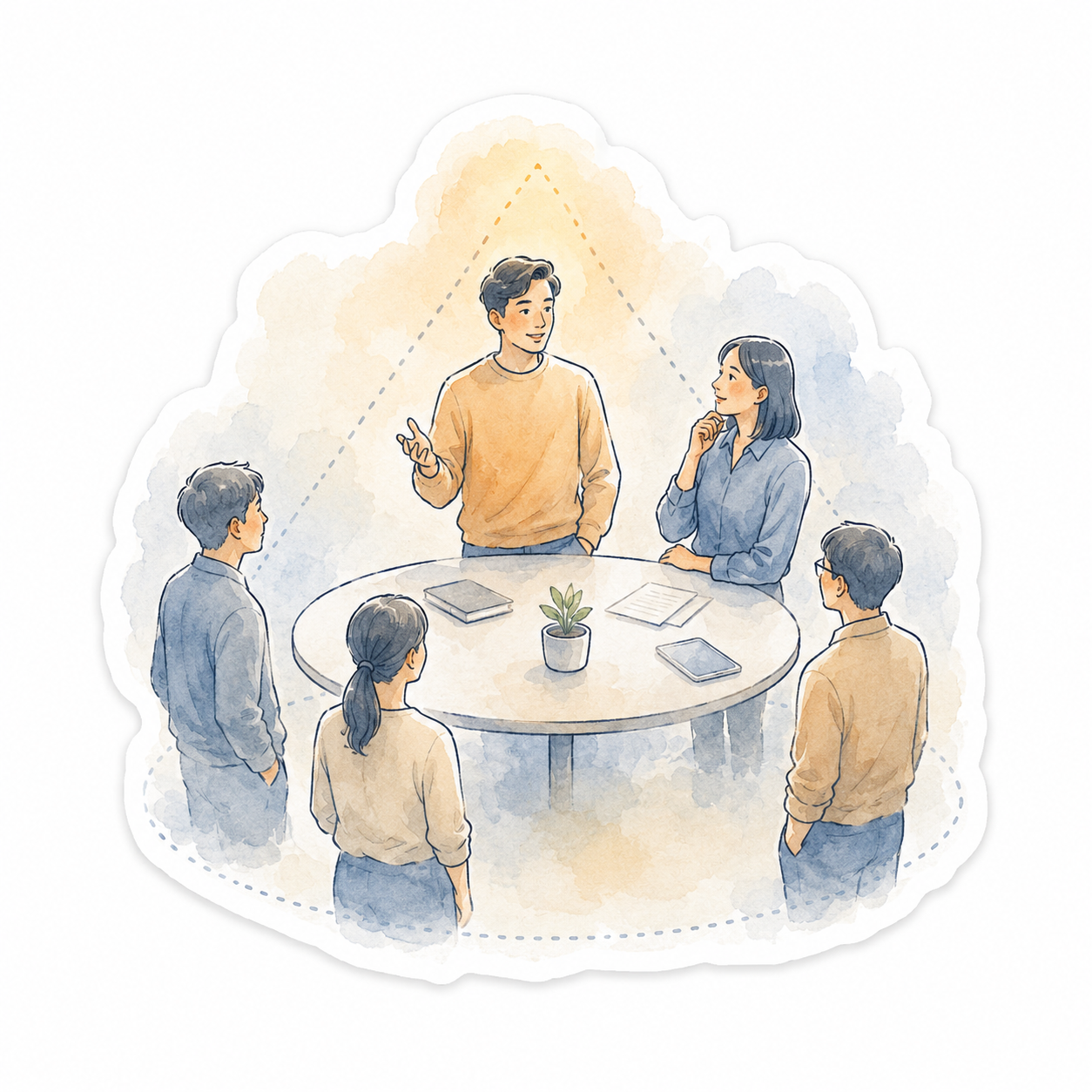
Five people around a table with one person standing and speaking, while dotted lines above them form a subtle pyramid shape

The Pyramid Reappears: What Leaderless Teams Reveal About Human Nature 

Sapna ShahaniAnveshan, Issue 73, Volume 7

Organisations have spent the last decade flattening hierarchies. Agile teams, decentralised managements, self-organising squads – for all of these, the architectural logic is consistent: distribute the power and let everyone’s voice matter equally. It’s a compelling vision. A new longitudinal study published in the Journal of Occupational and Organisational Psychology suggests that the reality might be more complicated.  What the study …

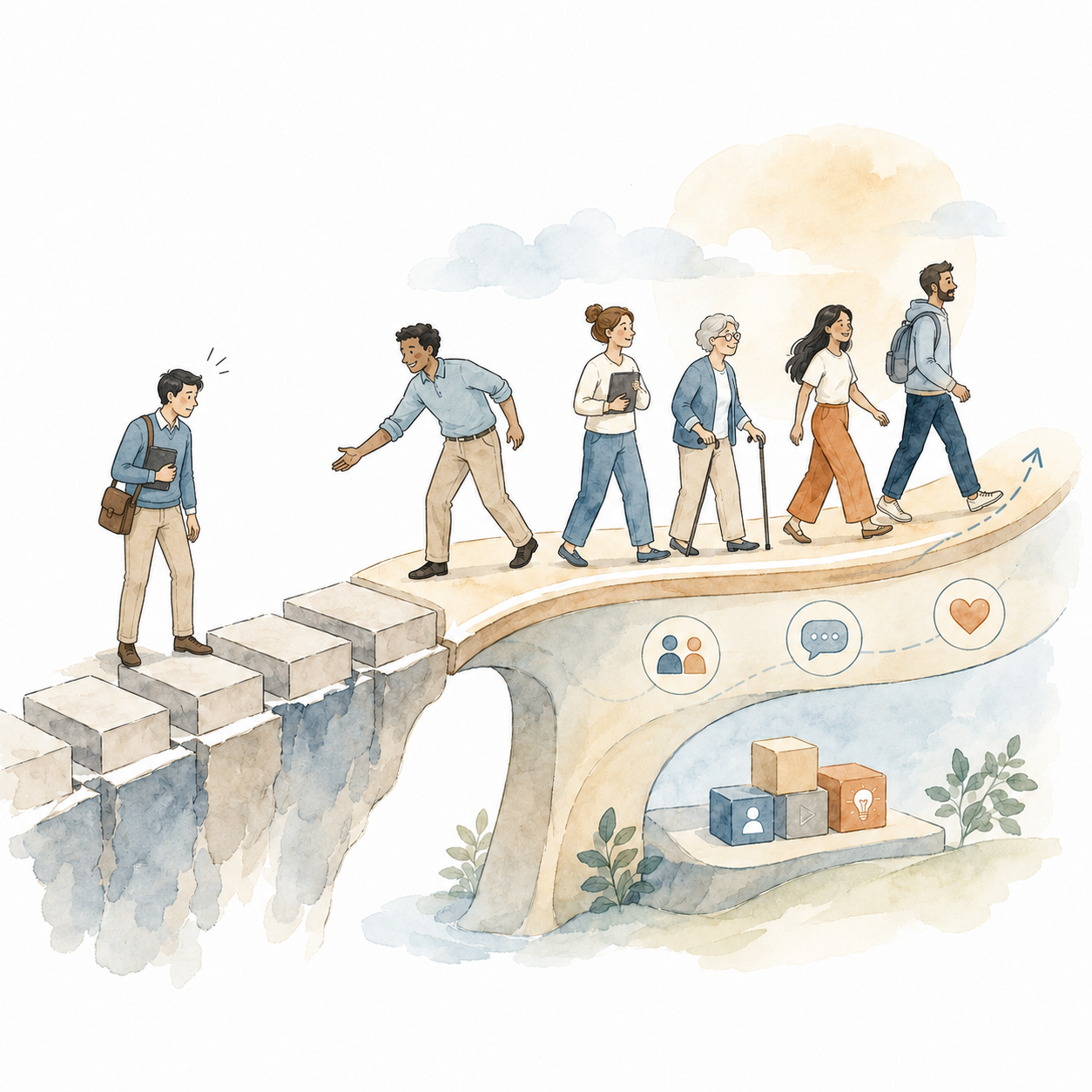
A worried employee stands on a broken bridge while colleagues walk ahead on a connected path, illustrating how rigid

Organisational change and the risk of leaving people behind 

Anika GauratAnveshan, Issue 73, Volume 7

When footwear companies manufacture shoes, they don’t design a single “average”  size and force everyone to wear it. And yet, when designing change in organisations, we  often create a rigid “Standard Employee” framework and expect a diverse workforce to fit  into the same mould.   When processes are too rigid employees are frequently left behind and this happens not  because they …

Watercolor illustration showing diverse professionals collaborating at the center, surrounded by symbols of technology

The Human Side of Business Transformation 

Lakshmi NarayananAnveshan, Issue 73, Volume 7

What Never Changes in a Changing Organization  If someone asked me to describe the last two decades of my career in one word, it would be  “CHANGE”  Economic reforms, Globalization, Outsourcing, The financial crisis, Digital transformation.,  Technology disruption, The rise of agile organizations, COVID-19, Hybrid work and now  Artificial Intelligence.  Every few years, a new wave arrived, promising to redefine …

An anxious office worker on a laptop balances between a robotic arm with AI chip and a declining money chart.

When Careers Feel Unstable 

Deepika AgrawalAnveshan, Issue 72, Volume 7

When we talk about careers today, we can see a sharp rise in choices. From doctors, engineers, and academics, we are moving into a zone of multiple career choices. Who imagined content creation, social media management, the gig economy, graphic designing, or AI ethics as serious career paths? Previous waves of technology, like email or automated voice menus, also made …