
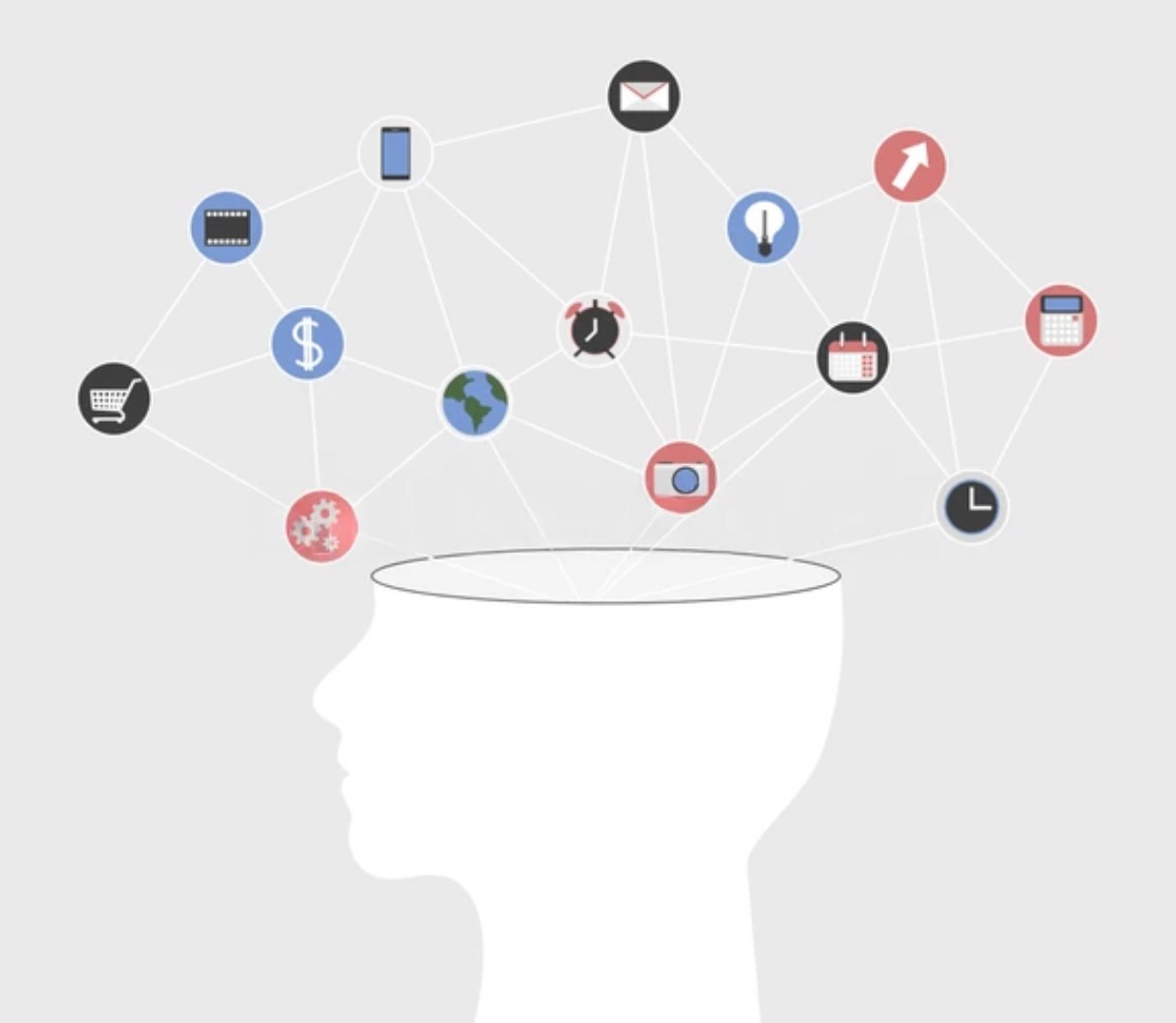
Silhouette of a human head with a network of digital and social media icons floating above, representing adolescent

Adolescent Identity in Flux: Navigating Self-Concept in a Hyperconnected World (2025)

Mr. Manjunath SAnveshan, Issue 66, Volume 6

The year 2025 marks a profound inflection point in human development, particularly in the turbulent, identity-shaping stage of adolescence. For today’s youth, the distinction between “online” and “offline” has dissolved entirely. They are not simply using technology; they are living as digital hybrids, fluidly blending biological existence with virtual embodiment. Within this mixed-reality ecosystem ruled by hyper-realistic AI, immersive metaverse …
Letting go of Emotional Baggage: The Psychology of Closure

Aswathy Aliza PhilipAnveshan, Issue 66, Volume 6

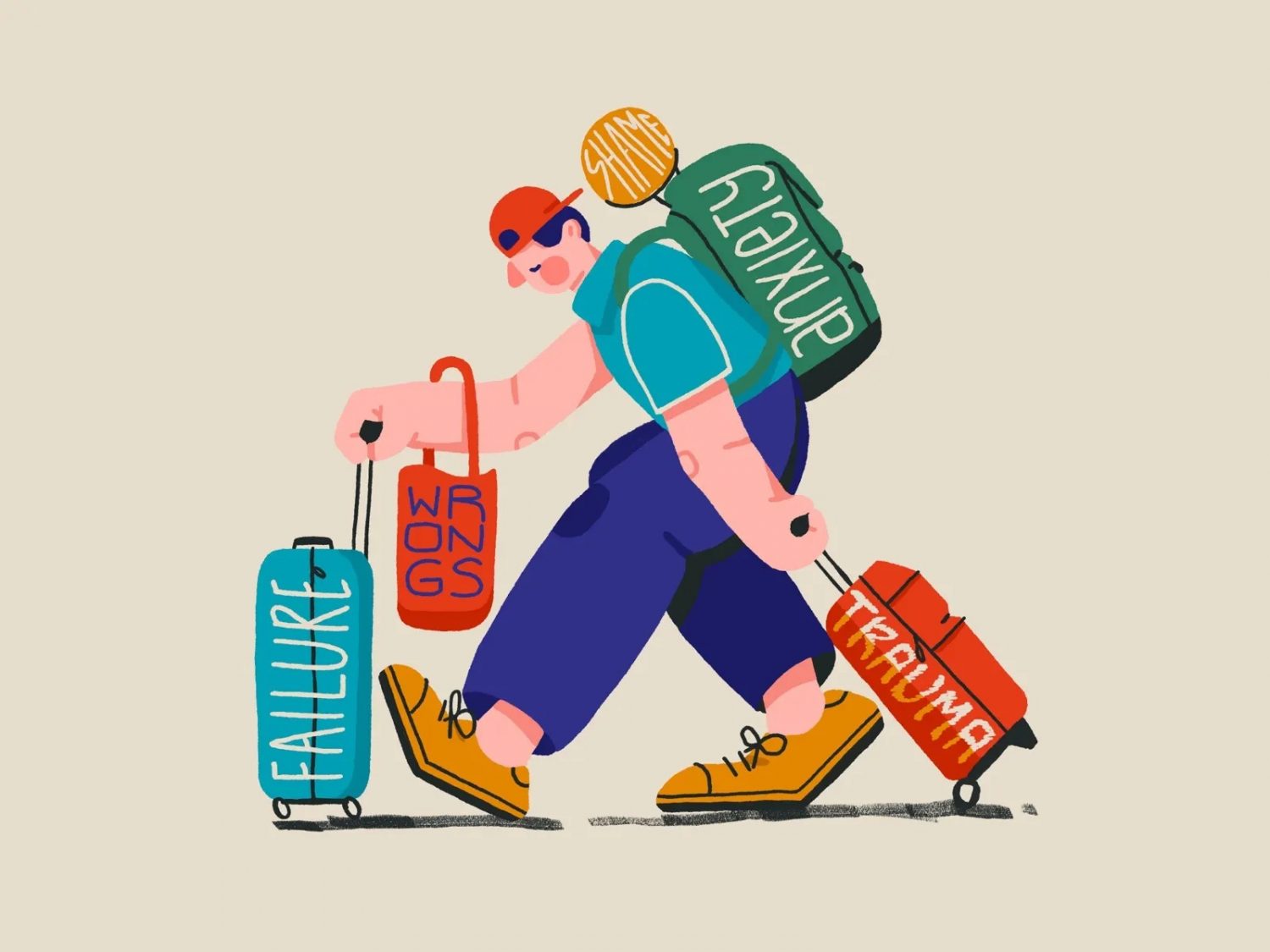
The famous Japanese author, Haruki Murakami, wrote ”Pain is inevitable. Suffering is optional.” The difference between the two is monumental. While we all experience pain, suffering is what happens when we hold on to the painful experience much longer than necessary. This creates emotional baggage, which we find ourselves unable to let go of. Of course, no one chooses to …

Four team members raising hands together toward a glowing lightbulb, symbolizing collaborative innovation and shared ideas.

Team Dynamics Debrief: How Collaboration Evolved in 2025

Shreya MalagiAnveshan, Issue 66, Volume 6

Today, 74% of organisations operate in a hybrid model, yet thisevolution is far from a triumph of efficiency or equity. Instead, the year has revealed hybrid work not as a panacea for flexibility, but as a severe stress test that has fragmented team dynamics, exacerbated systemic inequalities, and exposed profound failures in leadership and cultural coherence.  As 2025 draws to …

Illustration of a person inside a laptop screen using a magnet to pull in social media users, symbolizing how misinformation

Psychology of Misinformation: Why We Believe What We See Online

Freya VyasAnveshan, Issue 66, Volume 6

What make us believe a random social media post or reel more than a scientific or factual evidence.Even being from a psychology background. I wonder what goes in our mind that we believe misinformation easily. Elizabeth Loftus studied the effect of Misinformation on eyewitness testimony. Misinformation effect occurs when a person episodic memory is affected by post-event experiences. Misinformation is ...

The Emergence of Collective Anxiety Amid Uncertainty

Manisha NathAnveshan, Issue 66, Volume 6

Picture this: you’re in the break room with your coworkers, the TV plays a random news channel, mostly white noise, until a red banner flashes across the screen – another economic jolt, another climate emergency, another headline marked by uncertainty. You sense something shared settling in the room, a quiet, collective unease. In moments like these, we’re not just individuals …