
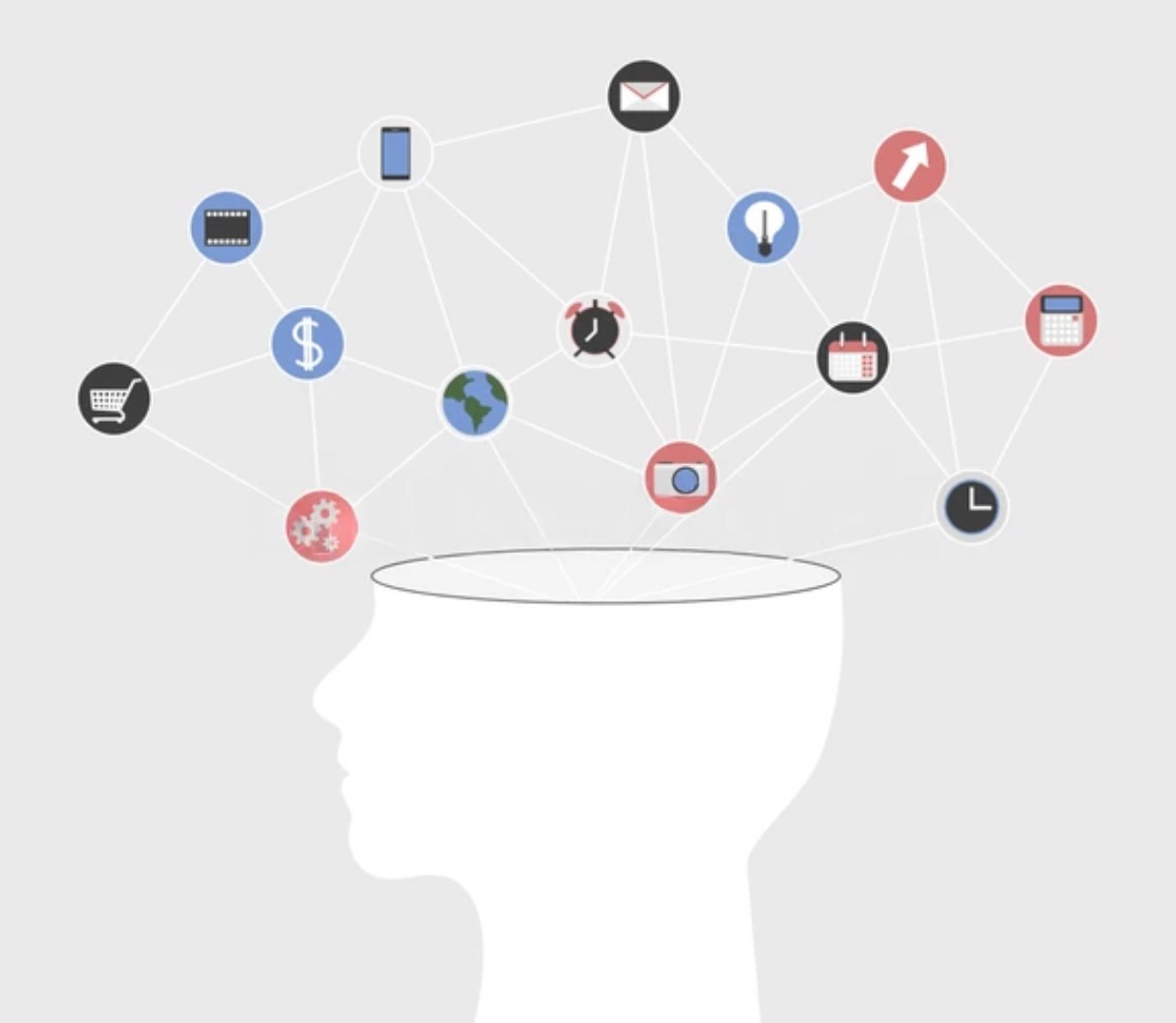
The year 2025 marks a profound inflection point in human development, particularly in the turbulent, identity-shaping stage of adolescence. For today’s youth, the distinction between “online” and “offline” has dissolved entirely. They are not simply using technology; they are living as digital hybrids, fluidly blending biological existence with virtual embodiment. Within this mixed-reality ecosystem ruled by hyper-realistic AI, immersive metaverse platforms, and algorithmic curation, identity has transformed from a developmental milestone to a dynamic, continually revisable project. This analysis synthesizes insights from clinical psychology, neuroscience, media studies, and emerging research on digital culture to analyse how adolescent identity is constructed, challenged, and reshaped in 2025. While unprecedented digital access empowers young people to explore new identities and communities, it also exposes them to risks that undermine mental health, social competence, and a coherent sense of self. It is an evolving terrain that educators, psychologists, counsellors, and policymakers must navigate alongside the youth they serve.
The neuro-developmental landscape has shifted from the concept of “digital natives” to “digital hybrids.” The term “digital native” once described young people who grew up with technology, but it fails to capture the reality of 2025 adolescents, for whom digital life is an extension of cognition, social status, and emotional experience. Identity is no longer anchored in stable peer groups or geographic communities; rather, it emerges across platforms like Roblox, Discord, TikTok, and VR worlds, each demanding a distinct performance of self. Research increasingly shows that this fragmented, multisite identity-building process reshapes developmental pathways. Early and intensive screen exposure has been linked to delayed language development, weaker motor skills, and a declining ability to read non- verbal cues. Clinical psychologists warn that the “high-bandwidth” richness of face-to-face interaction is being replaced by low-friction digital exchanges, weakening teens’ capacity for empathy and social atonement. Furthermore, the adolescent brain, primed for social reward yet governed by an underdeveloped prefrontal cortex, is vulnerable to social media algorithms that exploit this imbalance through dopamine-driven reinforcement cycles. Excessive engagement is associated with impulsivity, attentional deficits, and addiction-like patterns. Platforms such as Snapchat and Instagram have been linked to rising levels of depression, anxiety, loneliness, and body dissatisfaction. Passive consumption, scrolling without engaging, intensifies “upward social comparison,” pushing adolescents to evaluate
their real lives against algorithmically perfected images of others. Maintaining multiple digital personas generates cognitive overload; a review of nearly 20,000 adolescents found strong correlations between heavy social media use and identity confusion. Self-worth increasingly becomes tethered to likes, views, and algorithmic reach, external validations that create a volatile, outsourced sense of self.
In immersive digital spaces such as VR, Fortnite, and Roblox, avatars have evolved into primary vessels of self-expression, leading to the “Proteus Effect.” This effect describes how individuals unconsciously adjust their behaviour, attitudes, and cognitive performance to align with the attributes of their digital avatars. Recent meta-analyses confirm that this effect has strengthened, particularly in VR settings where the sense of “body ownership” is high. Two psychological processes explain this: Self-Perception Theory, where people infer who they are from the avatar they inhabit, and Priming, where visual cues activate stereotype networks that influence behaviour. Studies show that embodying intelligent-looking avatars boosts cognitive performance, whereas embodying stereotypically “weaker” avatars can impair it. The behavioural implications are significant; adolescents embodying “fit” avatars show higher motivation and physical performance, while stereotype-consistent avatars can hinder performance. VR embodiment has even been shown to reduce pain perception, functioning as a form of digital analgesia. For many adolescents, especially marginalized or questioning youth, the metaverse offers a space for “label liberation,” allowing them to experiment with gender, personality, aesthetics, and social roles without real-world consequences.
However, this digital existence brings the risk of algorithmic dysmorphia, where AI defines the self. The AI beauty filters of 2025 do not merely edit photos; they reconstruct facial geometry in real-time to generate an impossibly flawless, hyper-Eurocentric ideal known as the “glitch-less face.” Nearly half of teenagers prefer AI-enhanced images and cannot reliably distinguish them from real photographs, fuelling a distorted self-perception driven by algorithmic beauty norms. This harm is racialized; adolescents of colour face disproportionate harm as AI tools frequently lighten skin, narrow noses, and erase culturally specific features. Black adolescents experience “digital weathering,” a form of cumulative racial stress linked to anxiety, depression, and sleep disturbances. Additionally, “fitspiration”
culture continues to shape unrealistic body expectations. Exposure to athletic or lean images decreases self-esteem in more than one-third of young women, largely due to relentless upward comparison cycles. This body dissatisfaction drives photo-editing behaviour, which further intensifies dissatisfaction, creating a self-reinforcing loop.
Simultaneously, the locations of youth socialization have shifted to virtual “third places.” With diminishing access to physical parks and community centres, digital spaces have become the primary hangouts. Gen Alpha spends hours daily in Roblox, Discord, and game-based social worlds. Discord replicates the private “bedroom culture” of past decades, where teen moderators act as leaders and community architects, roles rarely accessible in traditional schooling. Roblox serves as a creative playground and economy where children build worlds and identities. Research organizations now conduct studies directly inside these virtual worlds, using “digital twins” to observe naturalistic behaviour. Within these spaces, synthetic intimacy is rising through AI companions. One-third of teens engage with AI socially, finding constant validation and zero conflict. While this “frictionless” friendship can scaffold interactions for neurodivergent or socially anxious youth, it may cause social atrophy in neurotypical teens by replacing real-world relational skills. Furthermore, without moral reasoning, chatbots can sometimes provide dangerous advice or validate maladaptive behaviours.
At last I can say that, linguistic and cultural evolutions define new adolescent subcultures. Youth engage in digital code-switching, constantly moving between online personas. While this enhances adaptability, it can create “identity dilution,” particularly for marginalized youth navigating digital racism. As AI perfection becomes ubiquitous, imperfection becomes a badge of authenticity, spawning subcultures like “Lo-Fi Reverie,” “Quadro Bears,” “Nephrons,” and “The New Running Class,” which reflect a desire for the visceral and unfiltered. Gen Alpha’s linguistics, characterized by rapidly evolving slang, create boundaries that reinforce group identity. Ultimately, adolescent identity in 2025 is defined by fluidity and
unprecedented plasticity. Technology offers vast frontiers for self-exploration but amplifies vulnerabilities regarding mental health and social development. The challenge for adults is not to restrict these ecosystems but to guide youth toward critical awareness and emotional resilience, helping them remain authentically themselves in a world designed to reshape them.
About the Author