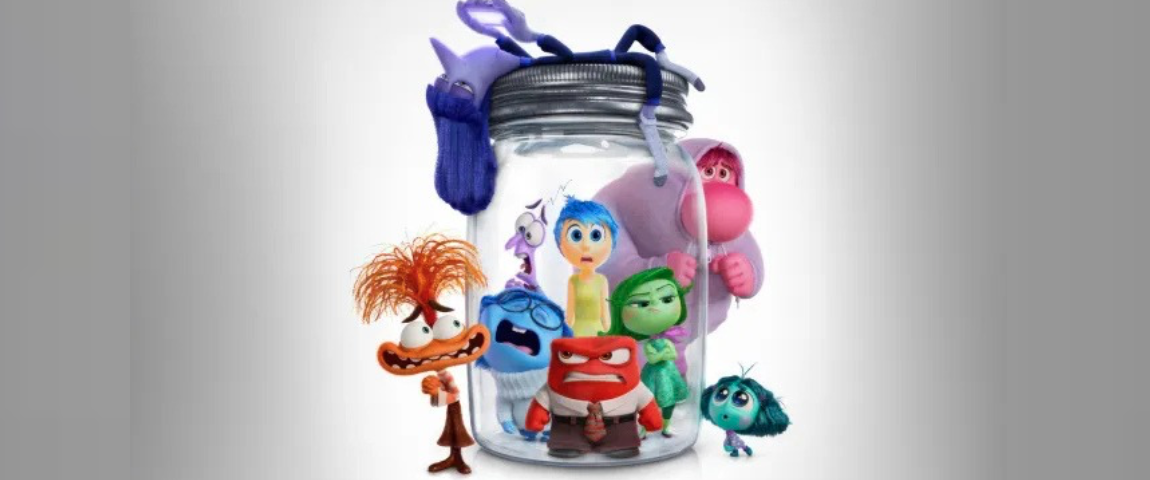
Pixar's Inside Out characters trapped inside a glass jar, illustrating emotional suppression

Cultural Expectations and Emotional Suppression – Why We Bottle Up Feelings

Freya VyasAnveshan, Issue 64, Volume 6

Culture weaves the personality of an individual. It embeds various values, customs, beliefs, tradition and norms. It helps us not only in expressing emotions but learning how to feel it in the first place. In collectivists culture like Japan, India and Korea suppressing emotions are considered essential for social harmony, group cohesion and to maintain social norms. The bottling up ...
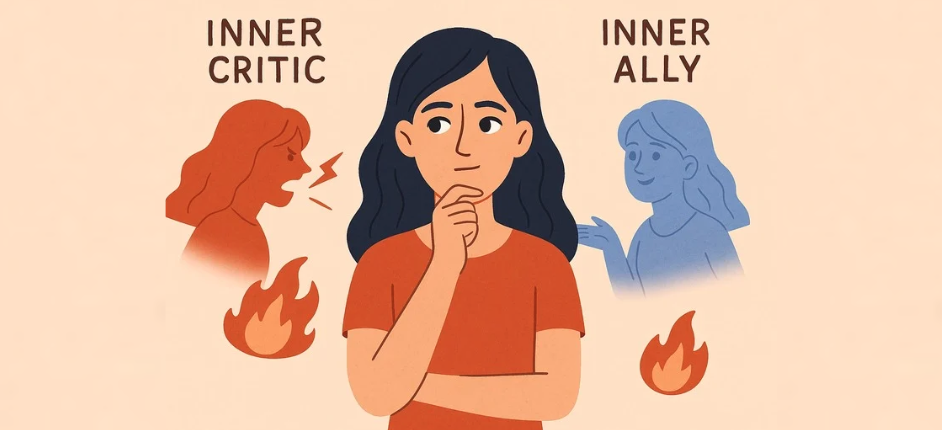
Illustration of a woman choosing between an angry red inner critic figure and a calm blue inner ally figure

The Inner Critic: Clinical Strategies to Tame Negative Self-Talk

Majida JawriaAnveshan, Issue 64, Volume 6

A lot of us have experienced that nagging inner voice that whispers, “Whatever you do , you will never be good enough,” or “You always mess things up,”This voice, often called the inner critic, can be persistent. While a certain level of self-evaluation helps us learn and grow, harsh and constant negative self-talk can become destructive, impacting self-esteem, productivity, and …

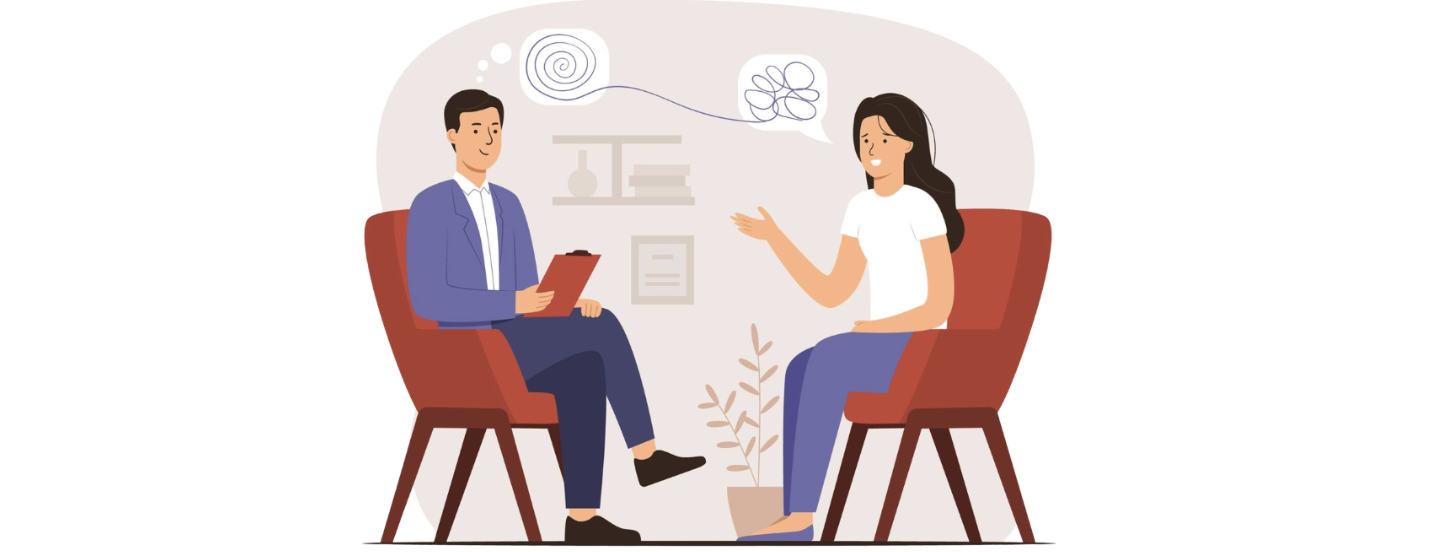
Illustration of a woman talking to a male therapist in an office setting, with thought bubbles showing calm and anxious

The Double-Edged Sword of Workplace Therapy: Why Employees Fear Company- Provided Therapy Services

Agrima JunejaAnveshan, Issue 64, Volume 6

In recent years, organizations all across the globe have adopted mental health initiatives as part of their commitment to employee well-being. Meditation apps, counselling hotlines, and therapy services are increasingly offered under employee assistance programs (EAPs). At first glance, this appears progressive, acknowledging mental health as an integral part of workplace sustainability. Yet many employees remain hesitant, even fearful, of …