
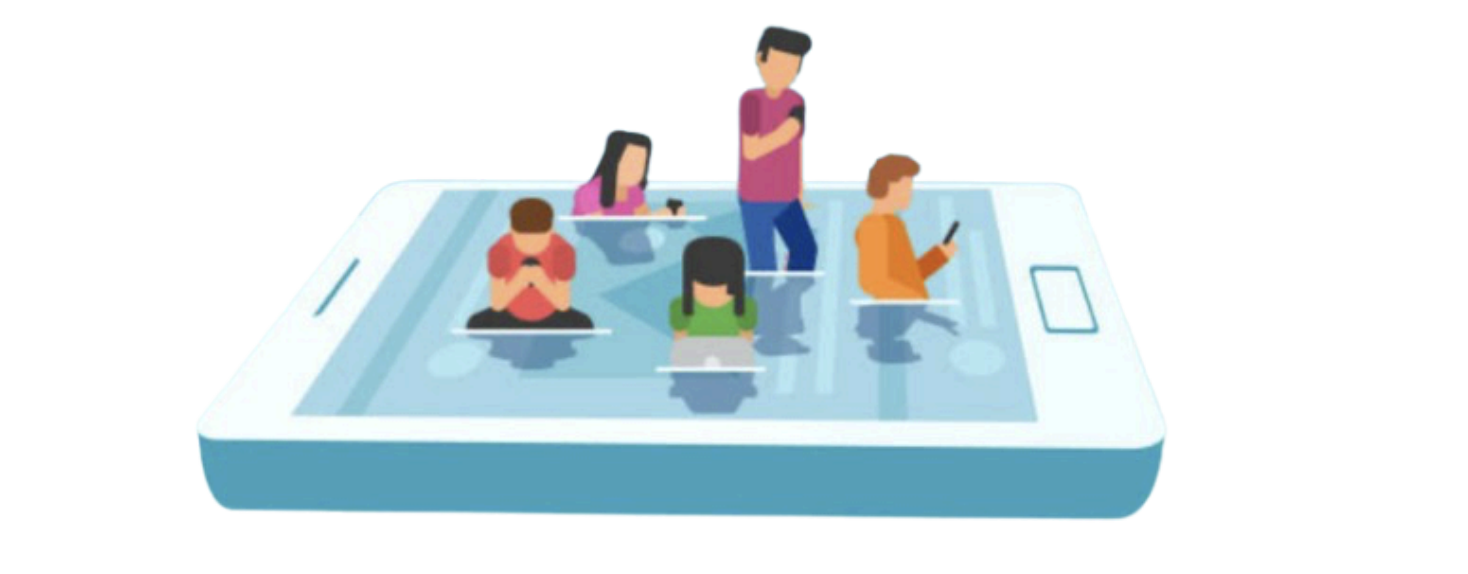
Psychologically, social media filters transcend mere digital embellishments. They function at the nexus of perception, cognition, emotion, and identity, subtly shaping how individuals perceive reality, assess themselves, and comprehend others. Although filters are frequently viewed as innocuous enhancements, psychological investigations indicate that their pervasive application significantly impacts mental processes associated with self-concept, social comparison, and the construction of reality.
At the core of this issue is perceptual adaptation. Human perception is not static; it adjusts based on repeated exposure. When individuals are consistently exposed to filtered images-faces with flawless skin, exaggerated symmetry, and idealized proportions—the brain begins to recalibrate what it considers “normal.” This phenomenon, known as norm shifting, means that digitally altered appearances can gradually become the baseline against which real, unedited faces are judged. As a result, natural human features may be perceived as deficiencies rather than variations, distorting visual and cognitive expectations of reality.
Social comparison theory is another important psychological mechanism at working. People naturally gauge themselves by comparing their qualities, accomplishments, and appearance to others; social media amplifies this tendency by providing an endless stream of highly curated and filtered images; these comparisons are rarely balanced because users are comparing themselves to others’ highlights and enhancements rather than their realities. Psychologically, upward social comparisons— comparing oneself to seemingly superior others-can increase feelings of inadequacy, envy, and dissatisfaction. Over time, this can have a negative effects on one’s self-esteem and body image, especially among adolescents and young adults who are more susceptible to external validation.
Filters also interact with the self-discrepancy theory, which explains pain as a result of differences between one’s actual and ideal selves. Filtered images frequently depict an unattainable ideal self one that exists solely digitally. When people view a filtered image of themselves frequently, they may start to internalize it as who they “should” look like. The larger the disparity between this digital ideal and real-life look, the more likely people are to feel discomfort, humiliation, or low selfesteem. In severe circumstances, this can lead to appearance-related anxiety and compulsive behaviour aimed at bridging the gap.
From a cognitive perspective, filters affect memory and attention. Content that is visually enhanced is more likely to be retained and to catch attention more successfully. This implies that mental images of persons and experiences are disproportionately shaped by filtered images. Distorted perceptions of reality may be further reinforced over time by memory favouring these idealized representations. People may gently rewrite societal and personal narratives by recalling events as more thrilling or appearance as more polished compared to how they actually were. Identity formation is also impacted by filters, especially in online settings.
Images are becoming more and more important in the construction of digital identities, and filters let people show some parts of themselves while hiding others. In terms of psychology, this might lead to a fractured sense of self, where the online and offline selves seem to be separated. A certain amount of impression control is common, but relying too much on filters to display oneself can cause emotions of inauthenticity and anxiety about being seen without digital improvement.
Most importantly, filters do not always have a detrimental psychological effect. In addition to being instruments for artistic selfexpression, filters can momentarily enhance confidence and lessen social anxiety in online encounters. These advantages, however, depend on the situation and are frequently fleeting. Self-worth may move from internal to external sources, becoming more brittle and reliant on likes, comments, and online acceptance when validation is dependent on filtered appearance.
In the final analysis, social media filters change perceptual norms, amplify social comparison, and impact self-concept, all of which influence perceptions of reality from a psychological perspective. They produce an aesthetically pleasing but psychologically taxing reality. Thus, awareness and critical thought are crucial. People can interact with filtered content without internalizing its distortions by cultivating behavioural resilience, media literacy, and selfcompassion. After all, reality isn’t supposed to be perfect and realizing this might be one of the most significant psychological discoveries of the digital era.
References
- Beauvais C. Fake news: Why do we believe it? Joint Bone Spine. 2022 Jul;89(4):105371. doi:
10.1016/j jbspin.2022.105371 - Al-Zaman, Md. S. (2021). Social Media Fake News in India. Asian Journal for Public Opinion Research, 9(1), 25-47. https://doi.org/10.15206/ajpor.2021.9.1.25
About the Author