Artificial intelligence (AI) is rapidly reshaping the modern workplace, raising an important question for Industrial/Organisational (I/O) psychology: are algorithms becoming the new boss? From résumé screening to performance monitoring and leadership decision-making, AI-driven systems are increasingly embedded in organisational processes. While these tools promise efficiency and objectivity, they also introduce new psychological, ethical, and organisational challenges that I/O psychology is uniquely positioned to address.
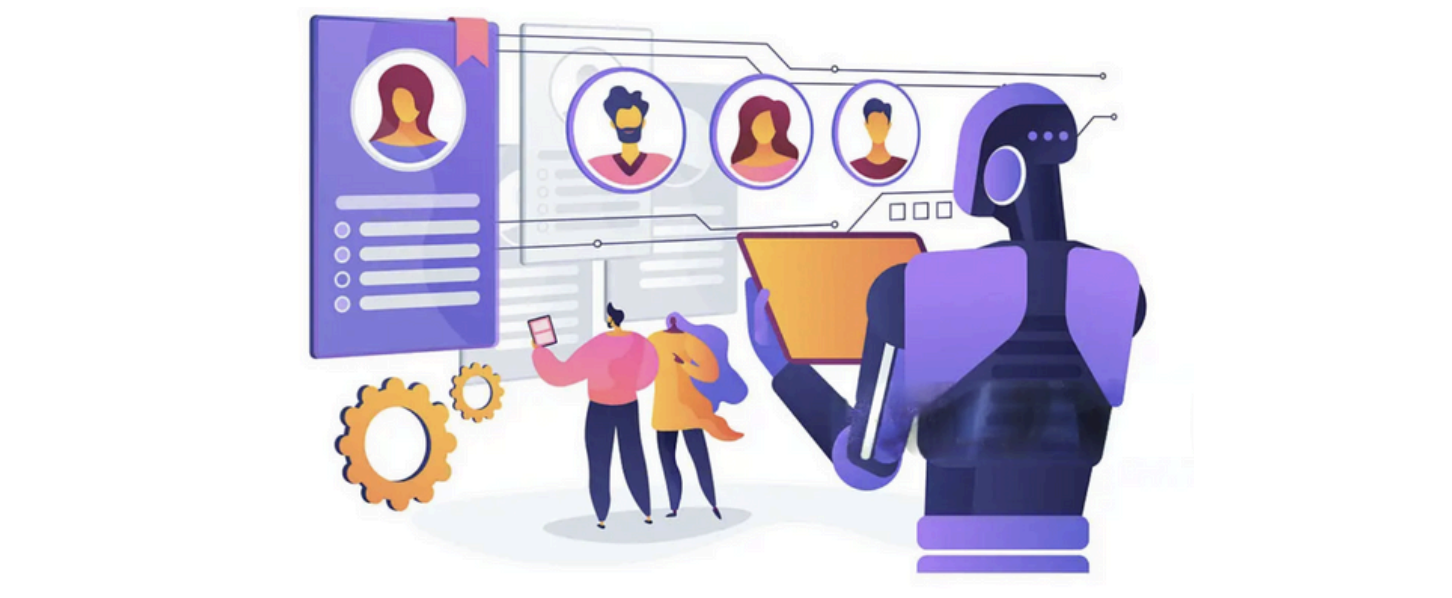
In recruitment, Al is often used to automate early stages of selection. Algorithms scan résumés, analyse video interviews, and even assess candidates’ language patterns or facial expressions. From an I/O psychology standpoint, this appears to solve long-standing problems such as recruiter bias, time constraints, and inconsistency. Properly designed algorithms can apply the same criteria to all applicants, potentially improving reliability and predictive validity. However, the assumption that Al is inherently unbiased is misleading. Algorithms are trained on historical data, and if past hiring decisions reflected gender, racial, or socioeconomic biases, these biases can be learned and amplified. I/O psychologists therefore play a crucial role in validating selection tools, auditing data sources, and ensuring that Al-based assessments meet professional standards of fairness, job relevance, and legal defensibility.
Beyond hiring, Al is increasingly involved in leadership and management functions. In some organisations, algorithms allocate tasks, set performance targets, schedule shifts, and monitor productivity—particularly in gig and platform-based work. This form of “algorithmic management” changes how employees experience leadership. Traditional leadership involves interpersonal relationships, emotional intelligence, and social influence. When decisions are made by opaque systems, employees may feel reduced autonomy, lower trust, and decreased psychological safety. I/O psychology highlights that perceptions matter: even if an algorithm is efficient, employees’ motivation and well-being depend on whether they perceive the system as fair, transparent, and supportive.
Leadership itself is also being augmented by AI. Decision-support systems can help leaders analyse large datasets, predict turnover, or identify skill gaps. Rather than replacing leaders, Al can enhance evidence-based management by reducing cognitive overload and highlighting patterns humans might miss. However, overreliance on algorithms risks “automation bias,” where leaders defer to AI recommendations even when they conflict with contextual knowledge or ethical judgment. I/O psychologists advocate for a balanced approach in which human expertise and AI insights complement each other. Effective leadership in the age of AI requires critical thinking, accountability, and the ability to explain and justify decisions—not simply follow algorithmic outputs.
Ethical considerations are central to this discussion. Issues of transparency, privacy, and consent are especially relevant when Al monitors employee behaviour or analyses personal data. Employees may not fully understand how decisions affecting their careers are made, leading to feelings of powerlessness. I/O psychology emphasises the importance of procedural justice: when people understand the process and feel it is fair, they are more likely to accept outcomes, even unfavourable Ones. Organisations must therefore communicate clearly about how AI systems work and provide avenues for feedback and appeal.
In conclusion, algorithms are not literally becoming the new boss, but they are undeniably reshaping how recruitment and leadership function. From an I/O psychology perspective, the key challenge is not whether to use AI, but how to use it responsibly. By applying psychological science to the design, implementation, and evaluation of AI systems, I/O psychologists can help ensure that technology enhances rather than undermines human potential at work. The future of work will likely be led not by algorithms alone, but by thoughtful collaboration between humans and intelligent systems.
About the Author