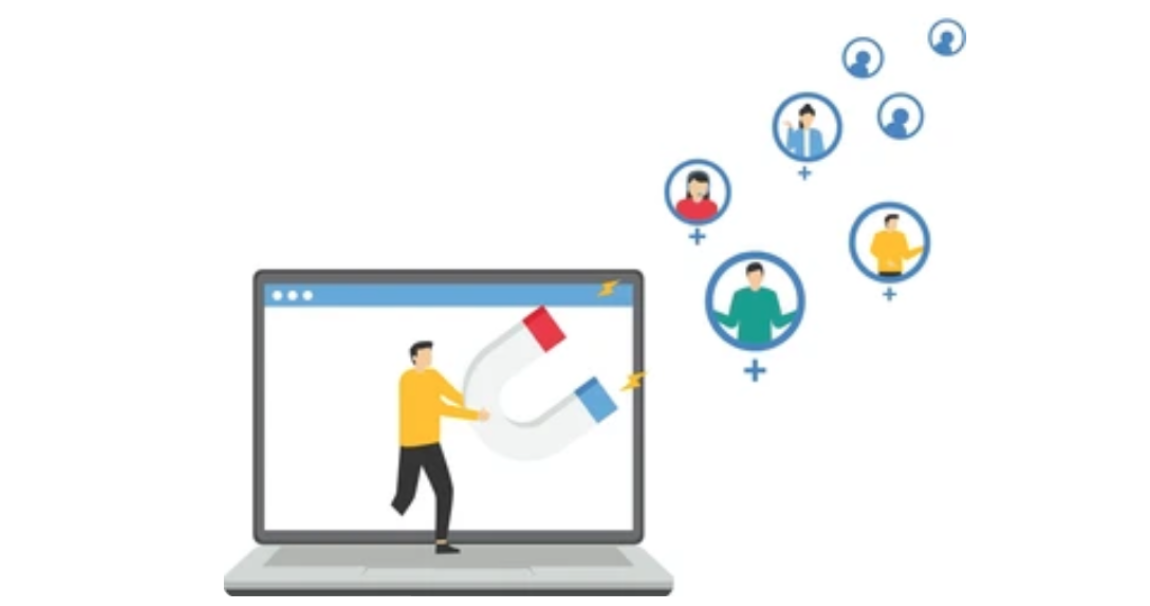
Illustration of a person inside a laptop screen using a magnet to pull in social media users, symbolizing how misinformation

Psychology of Misinformation: Why We Believe What We See Online

Freya VyasAnveshan, Issue 66, Volume 6

What make us believe a random social media post or reel more than a scientific or factual evidence.Even being from a psychology background. I wonder what goes in our mind that we believe misinformation easily. Elizabeth Loftus studied the effect of Misinformation on eyewitness testimony. Misinformation effect occurs when a person episodic memory is affected by post-event experiences. Misinformation is ...

The Emergence of Collective Anxiety Amid Uncertainty

Manisha NathAnveshan, Issue 66, Volume 6

Picture this: you’re in the break room with your coworkers, the TV plays a random news channel, mostly white noise, until a red banner flashes across the screen – another economic jolt, another climate emergency, another headline marked by uncertainty. You sense something shared settling in the room, a quiet, collective unease. In moments like these, we’re not just individuals …

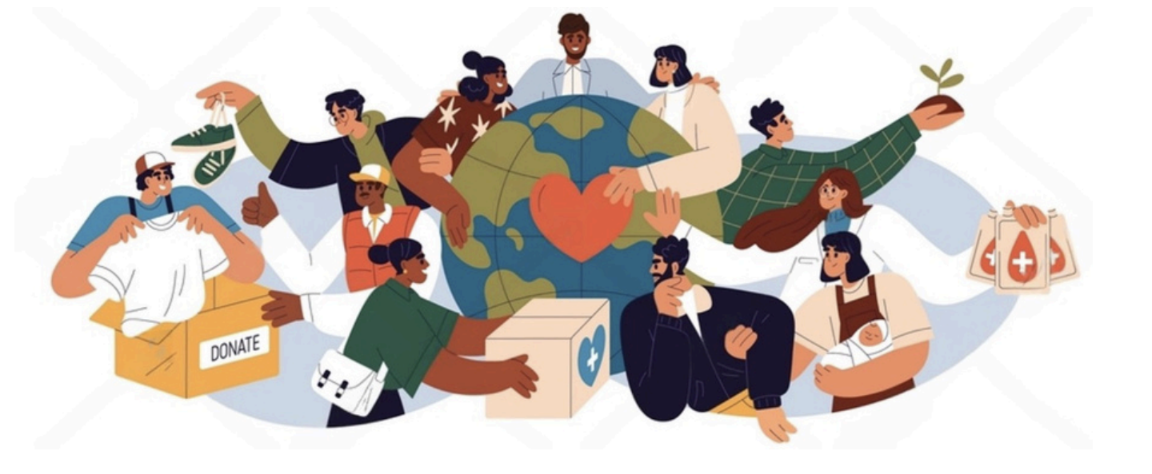
Illustration of diverse people volunteering together around a globe with a heart symbol, showing donation boxes, medical

Volunteering and Psychological Well-Being: Fostering Connection through Service

Team IIBPAnveshan, Issue 65, Volume 6

“The best way to find yourself is to lose yourself in the service of others.”- Mahatma Gandhi In today’s fast-paced, often isolating world, the importance of fostering meaningful connections cannot be overstated. Volunteering, a simple yet powerful act of service, holds the potential to not only benefit those in need but also significantly enhance the well-being of the volunteer. Research …

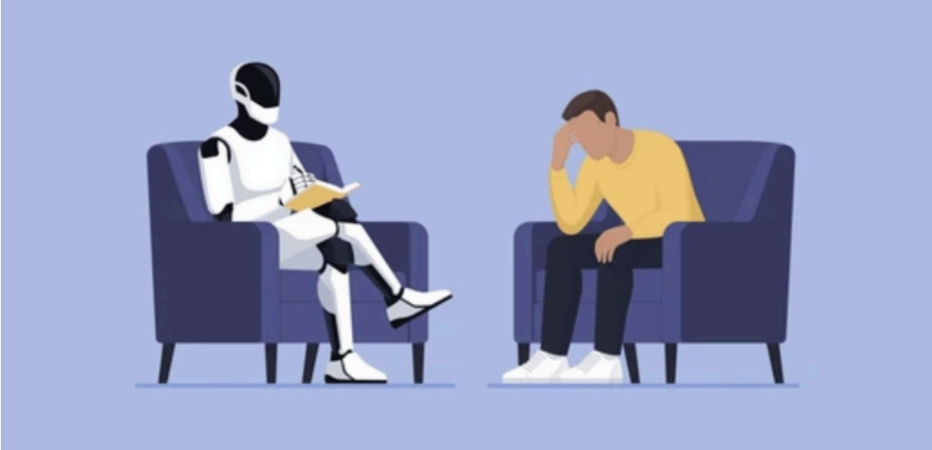
Illustration of a humanoid robot taking notes while a sad man sits with his head in his hand, both in armchairs facing each

The Intersection of AI and Human Emotion: Can Machines Understand and Improve Group Dynamics in Corporates?

Gaurika AgarwallaAnveshan, Issue 65, Volume 6

Emotions influence how employees communicate, cooperate and make decisions within organisations. Research shows that emotional expressions such as voice tone, language and facial behaviour shape collaboration because they signal respect, trust and inclusion (Barsade, 2002). When emotional signals are positive, members participate more and share ideas freely. When signals are negative or ignored, teams become quiet, information is withheld and …

Illustration of four people holding hands and helping each other climb progressively taller blocks, with one person at the

The Halo Effect: How Good Deeds Shape Our Perception of People and Organisations

Shreya MalagiAnveshan, Issue 65, Volume 6

A century ago, American Psychologist Edward Thorndike observed something fascinating while studying military personnel. He observed that when commanding officers rated their subordinates on qualities such as leadership, character, & intelligence, soldiers who were simply taller or more attractive were consistently rated as more intelligent and better leaders (Thorndike, 1920). This cognitive shortcut was later coined as “halo effect” , …

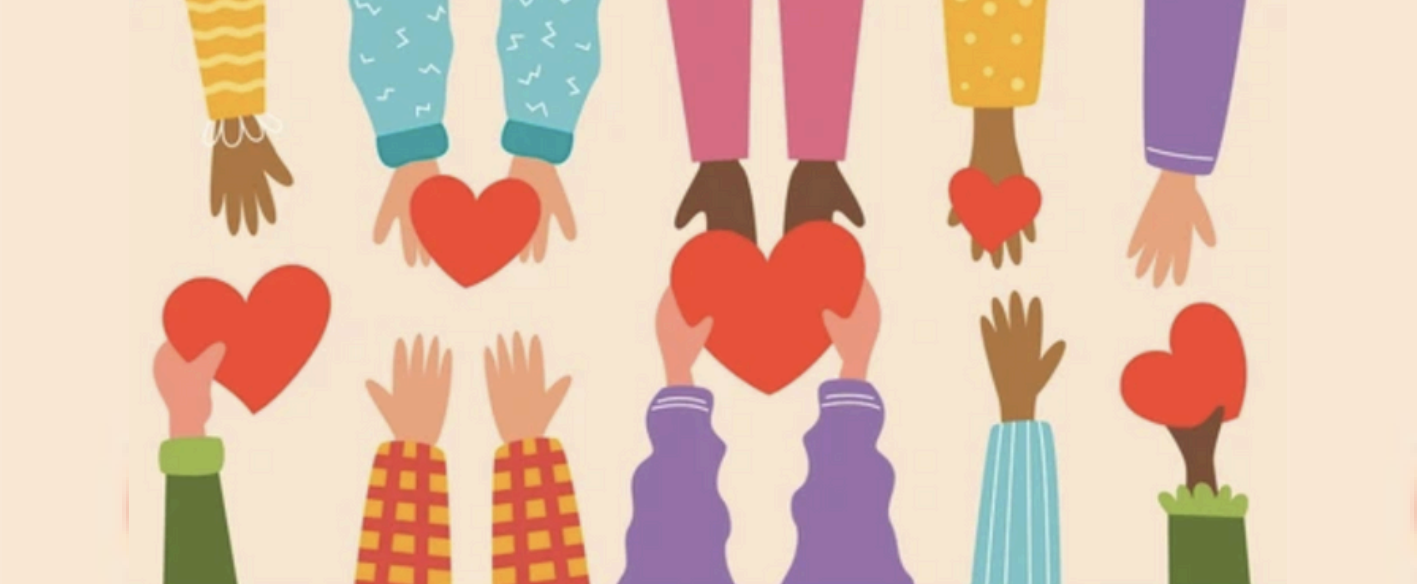
Illustration of diverse hands reaching toward each other, holding and sharing red hearts

The Neuroscience of Giving: Why Helping Others Feels So Good

Majida JawriaAnveshan, Issue 65, Volume 6

Have you ever noticed that gentle rush of warmth after you do something kind whether it’s helping a stranger, donating to a cause, or simply checking in on a friend? That pleasant feeling isn’t just emotional, it’s neurological. Science shows that generosity lights up our brains in the same way that joy, love, and even good food do. Helping others …

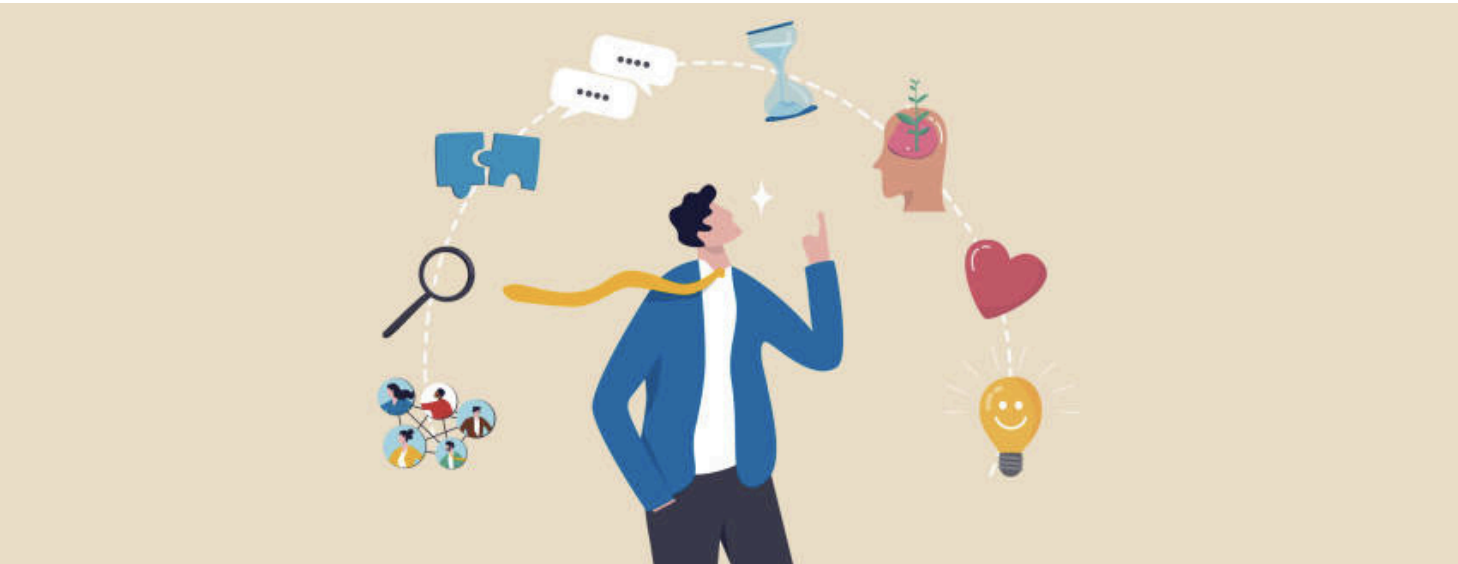
Illustration of a leader surrounded by symbols of empathy, communication, and emotional intelligence including puzzle

The Rise of Empathy-Driven Workplaces: Why Emotional Intelligence is the New Leadership Skill

Afifa JamalAnveshan, Issue 65, Volume 6

Not long ago, a manager’s level of knowledge or task completion efficiency were used to gauge their leadership. That definition seems insufficient today. In today’s workplace, people are more important than deadlines and deliverables. These days, teams seek out leaders who can relate, comprehend, and mentor with empathy. Once considered a “soft skill,” emotional intelligence (EI) has become the new …