Illustration of a worried person holding a long receipt with a piggy bank and dollar coin nearby, representing financial

Employee Stress Management During Festivals: Balancing Work and Personal Financial Demands

Team IIBPAnveshan, Business Psychology, Employee wellbeing, Issue 52, Organizational Culture, Social Psychology, Volume 4

With the onset of the festive season, joy and celebration are abundant. Paradoxically, this is also a time when stress and depression peak, especially in the workplace (ThoughtFull World, 2024). A survey conducted by Virgin Pulse, an employee health engagement firm, found that 70% of employees reported feeling more distressed during the festive season, and 60% felt distracted due to …

Counter-dependence and its manifestations

Vijai PandeyBusiness Psychology, Coaching, Team Effectiveness

This article explores the concept of counter-dependence as it manifests in T-Group experiences and other group settings. Often misunderstood in pop psychology, counter-dependence is a dysfunctional behavior where individuals reject help and emotional closeness, even when they need it. Through real-life examples from T-Group sessions, we delve into the indicators of counter-dependence, such as resistance to feedback, avoidance of vulnerability, and overcompensation in self-reliance. Learn how this behavior impacts group dynamics and discover healthier alternatives for fostering trust and openness.

Strategic Mentorship: Developing Future Leaders in a Competitive Business Environment

Team IIBPAnveshan, Coaching, Development Centers, Issue 51, Leadership Development

Strategic mentoring is an innovative approach to leadership development that ignites the potential for extraordinary leadership by blending business acumen with the foundational principles of mentorship. This unique method merges industry-specific insights with leadership growth, aligning mentorship with organizational strategies to develop leaders who are ready for the future. Unlike traditional mentoring, which focuses on personal development and skill-building, strategic …

Global Leadership: Shaping cross-cultural leadership in multinational companies

Team IIBPAnveshan, Coaching, Issue 51, Leadership Development, Talent Management

Multinational corporations (MNCs) increasingly operate across diverse cultural landscapes in today’s interconnected world. Navigating these cultural complexities requires a nuanced understanding and a unique set of leadership skills. Cross-cultural leadership, therefore, has emerged as a critical competency for organizations seeking global success. At the heart of effective cross-cultural leadership lies the ability to appreciate and leverage cultural differences. This involves …

Empowering Change: Mentorship’s Role in Organizational Training and Development

Team IIBPAnveshan, Coaching, Development Centers, Employee Selection, Issue 51, Training and Development

Mentoring is a brain to pick, an ear to listen and a push in the right direction. – John C. Crosby Mentorship has long been an invaluable element of personal and professional growth, with its roots tracing back to ancient narratives like Homer’s Odyssey. Today, it has evolved into a crucial component of organizational training and development, extending far beyond …

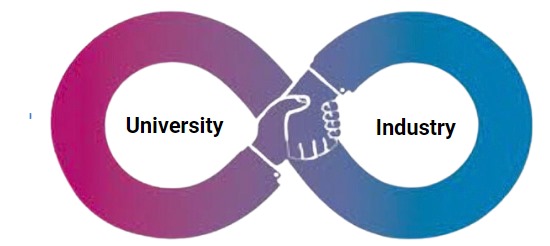
Bridging Academia and Industry: Mentors in the Evolution of I/O Psychology

Team IIBPAnveshan, Business Psychology, Coaching, Issue 51

“Every stage of your career requires different skills and insights. The right mentor at each phase will help you grow, adapt, and succeed in ways you never thought possible.” – Marissa Mayer“The science of I-O psychology helps us understand that the key to business success lies in understanding people, not just processes.” – Edwin A. Fleishman Is Industrial-Organizational (I/O) Psychology …

Leadership by Example: How mentors Cultivate Organizational Culture

Team IIBPAnveshan, Coaching, Emotional Intelligence, Employee Health, Issue 51, Organizational Culture, Uncategorized

In the dynamic realm of business, where strategies and markets shift like sand, one constant remains: the power of leadership by example. The essence of this approach lies in mentors embodying the values, behaviors, and ethics they wish to see in their teams. By demonstrating core values, mentors don’t just set standards—they become the living embodiment of the organizational culture …

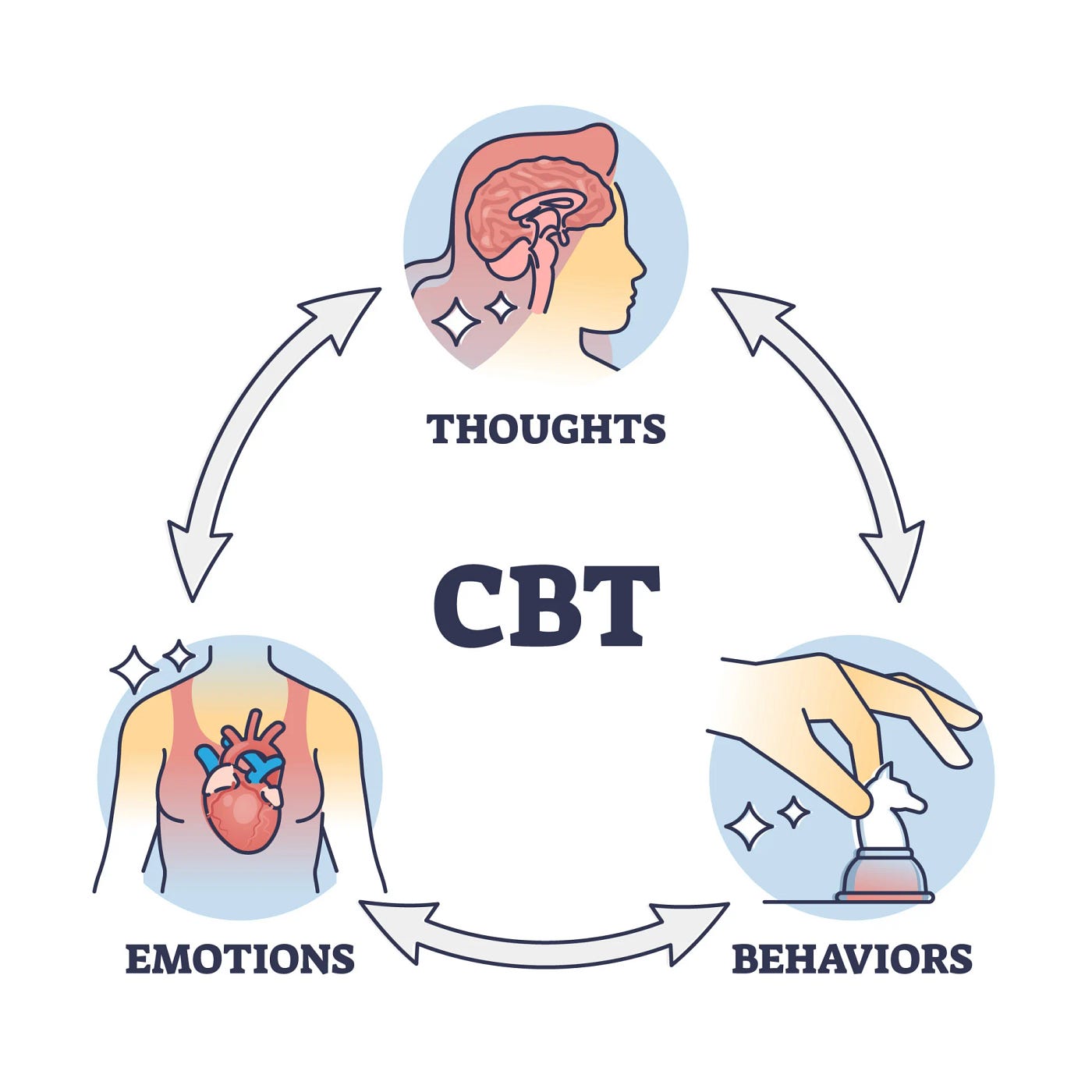
Illustrated diagram showing the CBT cycle connecting thoughts, emotions, and behaviors with arrows

The Power of CBT: Techniques for Modern Mental Health Improvement

Team IIBPAnveshan, Emotional Intelligence, General Psychology, Issue 50, Mental Health, Volume 4

Have you ever questioned your own thoughts? Has anyone ever refuted your beliefs? Did you ever reflect on why you think a particular way? These questions give us a peek into what Cognitive Behavioural Therapy (CBT) is. Cognitive Behavioural Therapy is an evidence-based therapy that has been proven to be an effective treatment for various mental disorders, including depression, anxiety, …

Balancing Act: Work-life balance strategies for the 21st century

Team IIBPAnveshan, Business Psychology, Employee Health, Employee wellbeing, Issue 50, Organizational Culture, Uncategorized, Volume 4

An organizational concept known as “work-life balance” enables workers to effectively divide their time and attention between their jobs and other significant facets of their lives. Organizational psychologists may recommend putting work-life balance initiatives into place if they discover that staff members are depressed or anxious. Enhancing the work-life balance of staff members enables them to generate more and better …