Presentation slide titled 'What Drives Employee Wellbeing? Creating Value or Fixing Problems?' with IIBP logo, dated April

What actually drives employee wellbeing?

Aayushee (Team IIBP)Business Psychology, Employee Health, Employee wellbeing, Occupational Health, Organizational Culture, Psychology@Work

Most organisations try to improve the wellbeing of their employees by reducing problems. The assumption that if issues are addressed then employees will naturally feel better at work. But wellbeing doesn’t just improve if we focus on only what’s wrong. The global level of employee wellbeing has fallen to 33% after steadily increasing since 2016 and this raises an important …
The Perfectionism Trap: How High-Functioning Anxiety Affects Performance

Team IIBPAnveshan, Business Psychology, Employee Health, Employee wellbeing, General Psychology, Issue 59, Occupational Health, Organizational Culture, Social Psychology, Talent Management, Team Effectiveness, Volume 6

In an achievement-oriented world like that of today, people tend to fall frequently into the trap of perfectionism—a pattern of unrealistic expectations accompanied by an intense fear of failure. High standards and attention to detail could encourage success, but when perfection becomes an obligatory requirement, it may generate a more subliminal challenge: high-functioning anxiety (HFA). High-functioning anxiety is a condition …

Mentorship as Strategy: Engaging Gen Z and Building a Future-Ready Workforce

Team IIBPAnveshan, Employee Engagement, Employee wellbeing, Issue 59, Occupational Health, Organizational Culture, Organizational Development, Team Effectiveness, Training and Development, Volume 6

The word “mentor” comes from the character Mentor in Homer’s Odyssey. With time, the word mentor has been used to refer to someone who is a guide and educator and the notion of mentorship has always been used in positive connotations. The definition of a mentoring relation has been expanded to a “professional, working alliance in which individuals work together …

Using Humor to Foster Psychological Safety in Teams: A Pun-derful Path to Collaboration

Team IIBPAnveshan, General Psychology, Issue 58, Occupational Health, Organizational Culture, Social Psychology, Team Effectiveness, Volume 6

Psychological safety—the collective belief that a team environment allows for open, risk-free interpersonal interactions—is a cornerstone of team excellence (Edmondson, 1999). While much attention is given to practices like empathetic communication and active listening, humor often flies under the radar as a powerful ally. Used wisely, it can ease tension, strengthen bonds, and help shape a workplace where innovation and …

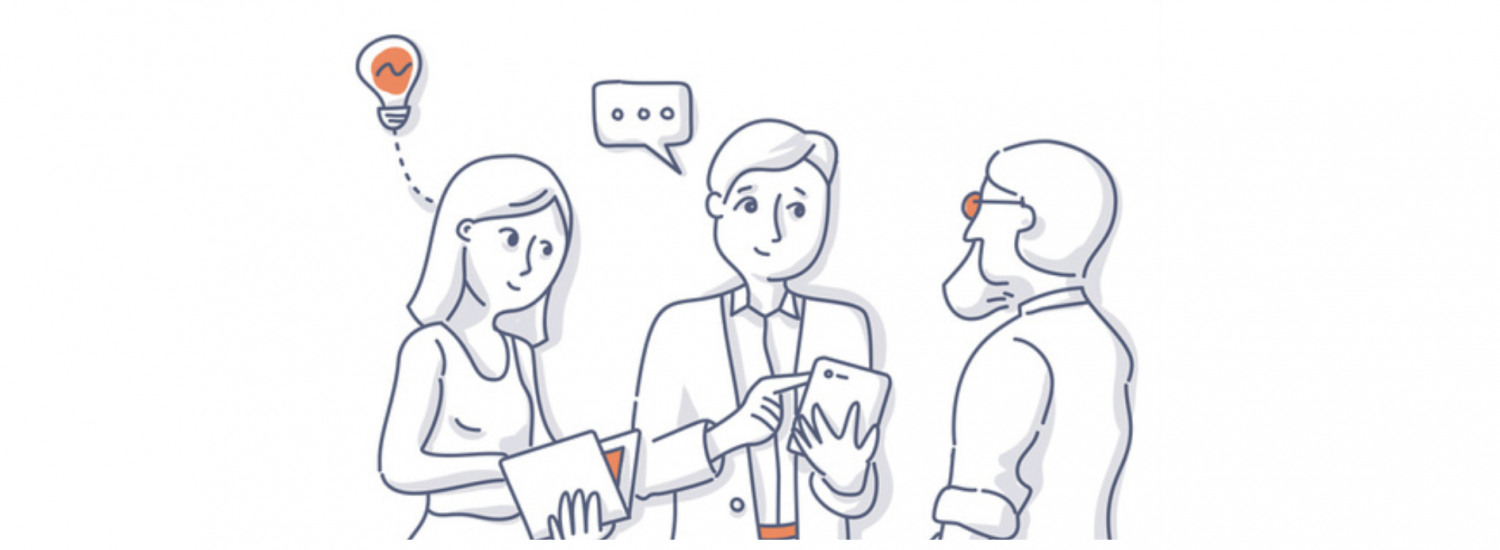
Three colleagues in discussion with lightbulb and speech bubble symbols representing ideas and communication

Humour and Diversity: Bridging Gaps in Multicultural Teams

Team IIBPAnveshan, Employee Engagement, Employee Health, Employee wellbeing, Issue 58, Occupational Health, Organizational Culture, Team Effectiveness, Volume 6

In today’s globalized world, workplaces are increasingly diverse, uniting individuals from different cultures and perspectives. While diversity fosters creativity and innovation, it can also pose communication challenges. Humour, an often-overlooked tool, helps bridge these gaps by lightening the mood, strengthening relationships, and fostering harmony in multicultural teams. Humour is deeply ingrained in Indian culture, from chaiwalas cracking jokes with office …

Shared Laughter and Stronger Bonds: Bridging Gaps for Multigenerational Team Cohesion and Collaboration

Team IIBPAnveshan, Business Psychology, Employee Engagement, Employee Health, Issue 58, Occupational Health, Organizational Culture, Organizational Development, Team Effectiveness, Volume 6

In the context of emerging technological shifts and evolving employee expectations, today’s business highlights generational differences in their workforce, where humor remains a timeless, powerful tool for strengthening relationships and building a sense of oneness. Each organization has its unique humor and quirky phases that are regularly used. Whether it’s a Baby Boomer recalling a fax machine mishap or a …

Work-Life Integration: Women Innovating Organizational Policies for Better Balance

Devika (Team IIBP)Anveshan, Business Psychology, Employee Engagement, Employee Health, Employee wellbeing, Issue 57, Occupational Health, Organizational Culture, Volume 6

The way we think about balancing work and personal life has changed. Instead of keeping them strictly separate, many now see them as interconnected—an approach known as work-life integration. This shift has been especially meaningful for women, who often juggle multiple roles due to both workplace expectations and societal norms. Research in Industrial-Organizational (I/O) Psychology shows that companies thrive when …

Silhouette of a woman in a business suit standing confidently among rows of identical male executives on a red background

Redefining Leadership: The Transformational Power of Women in I/O Psychology

Team IIBPAnveshan, Business Psychology, Employee Health, Issue 57, Leadership Development, Occupational Health, Organizational Culture, Organizational Development, Volume 6

Leadership extends beyond authority; it is about vision, movement, and change. It nurtures growth, guides teams through uncertainty, and fosters innovation. Women are not challengers to the old but architects of the new-shaping workplaces with empathy, resilience, and transformational impact. When a woman leads with the expertise of Industrial-Organizational (I/O) psychology, she elevates leadership, introduces innovation, and redefines the future …

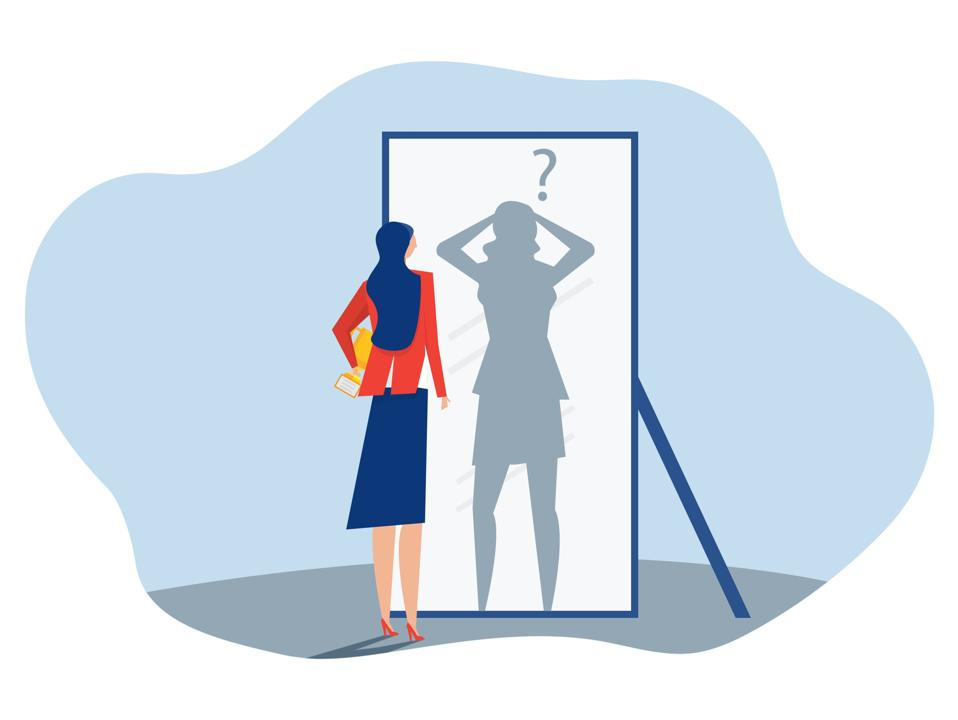
Overcoming Imposter Syndrome in Women Leaders

Team IIBPAnveshan, Employee Engagement, Employee Health, Issue 57, Leadership Development, Occupational Health, Organizational Culture, Organizational Development, Volume 6

Imposter syndrome is not just a whisper of insecurity in a woman’s mind—it is an echo of centuries-old biases, a consequence of structures that were never built for her. It is not a personal flaw but a cultural artifact, passed down through unspoken expectations, systemic inequities, and the quiet erosion of self-belief. From childhood, women are taught to be humble, …

Workaholism and Work Relations: How Overworking Shapes Workplace Dynamics and Relationships

Team IIBPAnveshan, Business Psychology, Employee Health, Employee wellbeing, General Psychology, Issue 56, Organizational Culture, Volume 6

In today’s fast-paced work environment, putting in extra hours is often seen as a badge of honor. Employees who stay late, answer emails at midnight, and work through weekends are frequently praised for their dedication. However, when working long hours becomes a compulsive habit rather than a choice, it shifts from being productive to being problematic. This is where workaholism …