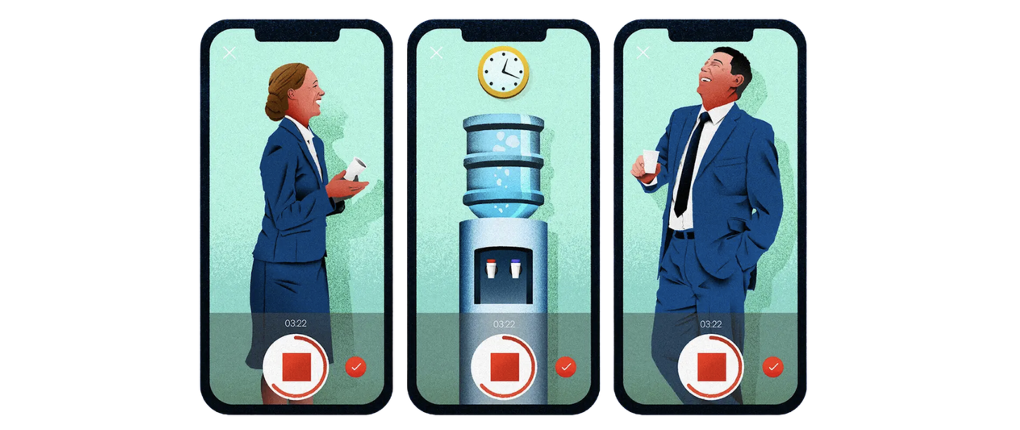
Illustration of a worker leaning back with feet up on desk, holding coffee, laptop open but disengaged

The “Quiet Quitting” Phenomenon: Is Disengagement on the Rise?

Team IIBPAnveshan, Business Psychology, Employee Engagement, Employee wellbeing, Issue 54, Organizational Culture, Team Effectiveness, Volume 4

Quiet Quitting, a pervasive phenomenon, refers to completing the bare minimum requirements of one’s job and the task given and putting less effort, time, and enthusiasm than necessary. Here, the employees fulfill their responsibilities, stay in their positions, and receive compensation but are less willing to engage in citizenship behavior such as helping colleagues, volunteering for extra tasks, or contributing …

Illustration of a tired man slumped over a laptop at a cluttered desk, with a low battery icon above his head symbolizing

The Burnout Epidemic: Men and Mental Health in High-Pressure Jobs

Team IIBPAnveshan, Emotional Intelligence, Employee wellbeing, Issue 53, Mental Health, Social Psychology, Volume 4

Burnout has evolved from a relatively obscure term to a pressing global health crisis that impacts millions across industries and regions. This silent epidemic disproportionately affects men in high-pressure roles, from corporate executives to frontline workers. In 2019, the World Health Organization (WHO) classified burnout as an “occupational phenomenon,” characterized by symptoms of chronic exhaustion, increased cynicism, and reduced professional …

Men, Authority, Obedience: The Psychology of Power in Male Dominated Spaces

Team IIBPBusiness Psychology, Emotional Intelligence, Issue 53, Mental Health, Social Psychology, Volume 4

The dynamics of authority and obedience in male-dominated spaces are constantly shaped by individual status, ambition and competition and manifested through established hierarchies, power dynamics, and social norms and relationships. From an early age, men are often conditioned to respect hierarchies in schools, sports and boy-scout, by ingraining concept of discipline, strength and loyalty and its perceived necessity for collective …

Illustration of a male healthcare worker pushing an elderly man in a wheelchair

Men in Caring Professions: Breaking Barriers in Indian Healthcare and Education

Team IIBPBusiness Psychology, Emotional Intelligence, Employee Health, Issue 53, Mental Health, Social Psychology, Volume 4

“Beta, teaching is a woman’s job. Why don’t you pursue engineering instead?” This waswhat Rajesh Krishnan heard from his relatives when he announced his decision to become a primary school teacher. Today, after eight years of teaching, he’s not just educating third-graders – he’s challenging deep-rooted biases as he believes his examples are more inclusive and representative of the inclusive …

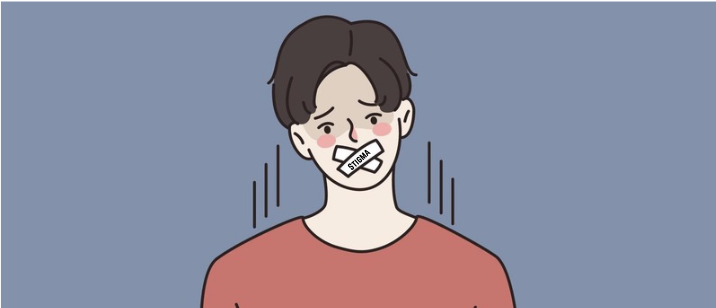
Illustration of a sad man with tape labeled STIGMA over his mouth, symbolizing how stigma silences men from speaking about

The Silent Struggle: Men and Mental Health Stigma

Team IIBPEmotional Intelligence, Issue 53, Mental Health, Volume 4

The purpose of the next 500-600 words is straightforward – to answer a simple question, “What stops men from seeking help for their mental struggles?” Throughout the article, I plan on taking you on a journey backed by statistics and research on the struggles that men face when it comes to help seeking, what we keep getting wrong about men’s …

The Role of Men as Allies in Gender Equality at Work

Team IIBPAnveshan, Emotional Intelligence, Employee Health, Employee wellbeing, Issue 53, Occupational Health, Organizational Culture, Volume 4

Last week, a male executive sat in my office, tears streaming down his face. “I don’t want to be CEO,” he confessed. “I want to be a stay-at-home dad, but I can’t tell anyone.” In the same week, a female client expressed frustration about being labeled “too aggressive” for displaying the same leadership qualities that earned her male colleagues praise. …

Two delivery workers in red uniforms running with a shopping cart full of colorful gift boxes against a festive banner and

Consumer Behavior and Marketing Strategies: Using Psychology to Drive Festive Sales

Team IIBPAnveshan, General Psychology, Issue 52, Volume 4

As festivals approach, newspapers, TV, radio, and digital media are flooded with advertorials rather than content. Stepping out to a bustling shopping street, it feels claustrophobic yet enticing. Have you ever wondered why the increase in festive sales transcends commodities, prices, cities, and age groups? A need that can be fulfilled with delight and instant gratification is a powerful force, …

Illustration of employees celebrating with trophy, gift voucher, and certificate awards

Festive Rewards and Employee Motivation: Tailored Incentives to Boost Morale

Team IIBPAnveshan, Employee Engagement, Employee wellbeing, Issue 52, Organizational Culture, Volume 4

“The deepest principle in human nature is the craving to be appreciated.” – William James The desire to feel appreciated, recognized, and rewarded is a fundamental human need. In the workplace, appreciation plays a crucial role in boosting morale and and motivating employees. A successful business hinges on its ability to attract, retain, and nurture talented employees. Achieving this requires …

Stressed woman looking at phone surrounded by speech bubbles showing gifts, travel, shopping, and money, illustrating social

Caught in the Scroll: How Festival FOMO on Social Media Fuels Consumer Anxiety

Team IIBPAnveshan, General Psychology, Issue 52, Volume 4

“In a world driven by instant connectivity, are we really celebrating festivals, or just chasing the perfect post?” The festive season, often a time of joy and cultural celebration, has taken on a new dimension in the digital age: it is now a stage where social media amplifies the highs and obscures the lows. While these platforms offer an avenue …

Illustration of office workers celebrating at a party with charts, drinks, and decorations while balancing work

Workplace Productivity During Festivals: Balancing Celebrations and End-of-Year Goals

Team IIBPAnveshan, Business Psychology, Employee Engagement, Employee wellbeing, Issue 52, Organizational Culture, Volume 4

As the vibrant Ganesh Chaturthi season approached, Meera, a sales executive at a mid-sized pharmaceutical company, was excited. The festival was a time for family, devotion, and celebration. She had taken a few days off to help with preparations and participate in local festivities. Her company was also hosting fun events— competitions, potlucks, and office decorations. Amid the back-to-back activities, …