Psychological Response to COVID-19 & Loneliness in the UK
Psychological Types and Isolation
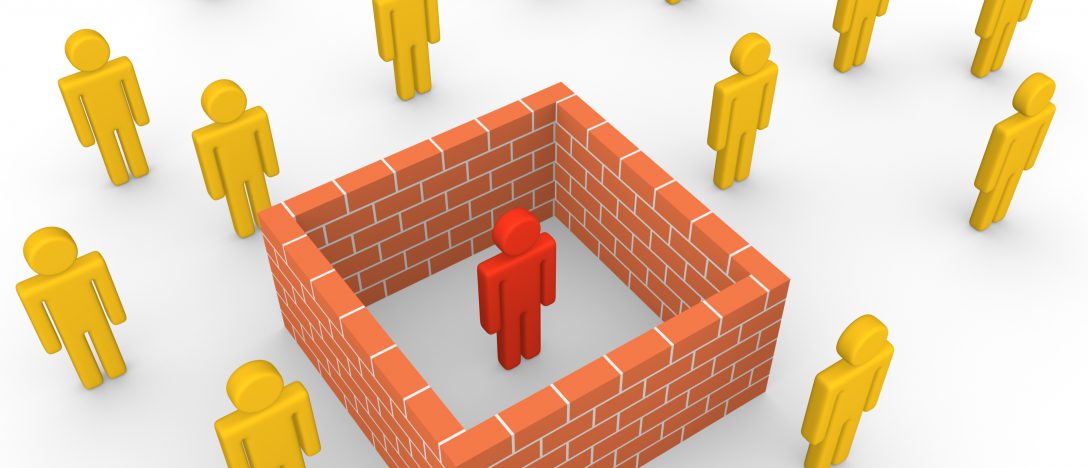
Social Distance, Physical Distance and Imposed Quarantine
Deadlines & their impact on performance
A recent research study at Tel Aviv University proposes that knowing when a task ends, improves our performance on the task. Knowing when a task is to finish allows us to allocate time to other activities upon completion of the task. This may be in the form of pursuing our hobbies & leisure activities. Individuals may also be less likely …
The benefits of small acts of kindness
A new study at the University of California attempted to study altruistic tendencies & their impact in a working environment. A group of employees were asked to be kind to a small group (experimental group) of people while expressing nothing of the sort to a different group (control group). Results suggest that pro-social behaviours by the experimental group increased by …
The importance of work-hobby balance
The cost of political correctness
Understanding motives for intervening in emergency situations
How dishonest behavior reduces individuals’ ability to read others’ emotions
In this research, researchers examine the unintended consequences of dishonest behavior for one’s interpersonal abilities and subsequent ethical behavior. Specifically, they explore how dishonest conduct can reduce one’s generalized empathic accuracy— which is the ability to accurately read other people’s emotional states. In the process, they distinguish these 2 constructs (dishonest conduct and empathic accuracy) from one another and demonstrate …