C THE IIBP THOUGHT LAB Experiment Paper Interactive economic thought experiment One thousand people.One fair coin. Everyone begins equal. Random trades follow. Watch what “fair” rules produce—and ask what fairness should mean beyond the coin flip. Run the experiment ↓ 01 / THE EXPERIMENT Equality enters.Chance begins. 1,000 people start with $100 each. Every round selects two distinct people uniformly …
Social Media and Lifelong Learning: Fostering Adaptive Agility in the Digital Age
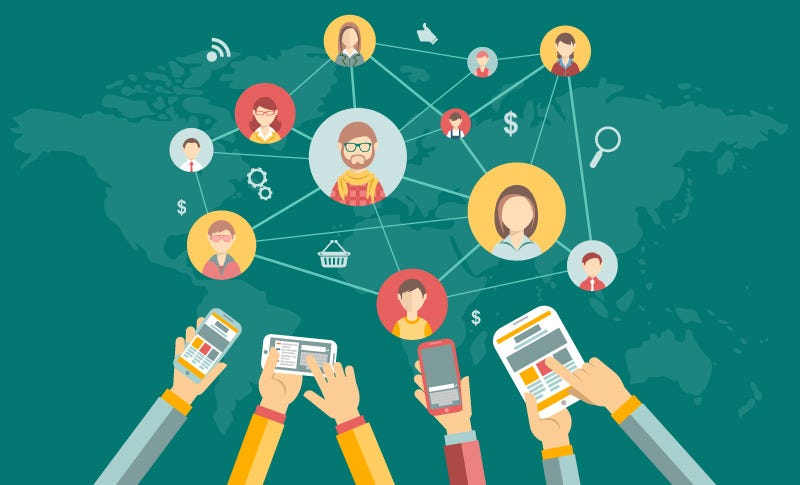
In today’s rapidly evolving digital age, social media has transcended its role as a platform for communication and entertainment, becoming an invaluable tool for fostering lifelong learning and adaptive agility. The modern world is characterised by constant technological advancements and paradigm shifts, necessitating individuals to continuously acquire new knowledge and skills to remain relevant and competitive. Social media platforms offer …

Implicit Bias: Unconscious Influences on Social Decision Making
Ms. Aishwarya Santosh In today’s society, people strive to be fair, just, and unbiased. However, even with the best intentions, biases can still influence our decisions and actions. Implicit bias, also known as unconscious bias, refers to the attitudes and stereotypes that affect our understanding, actions, and decisions in an unconscious manner. These biases can have a profound impact on …
The Dangers of Groupthink: When collective intelligence leads to poor decision making
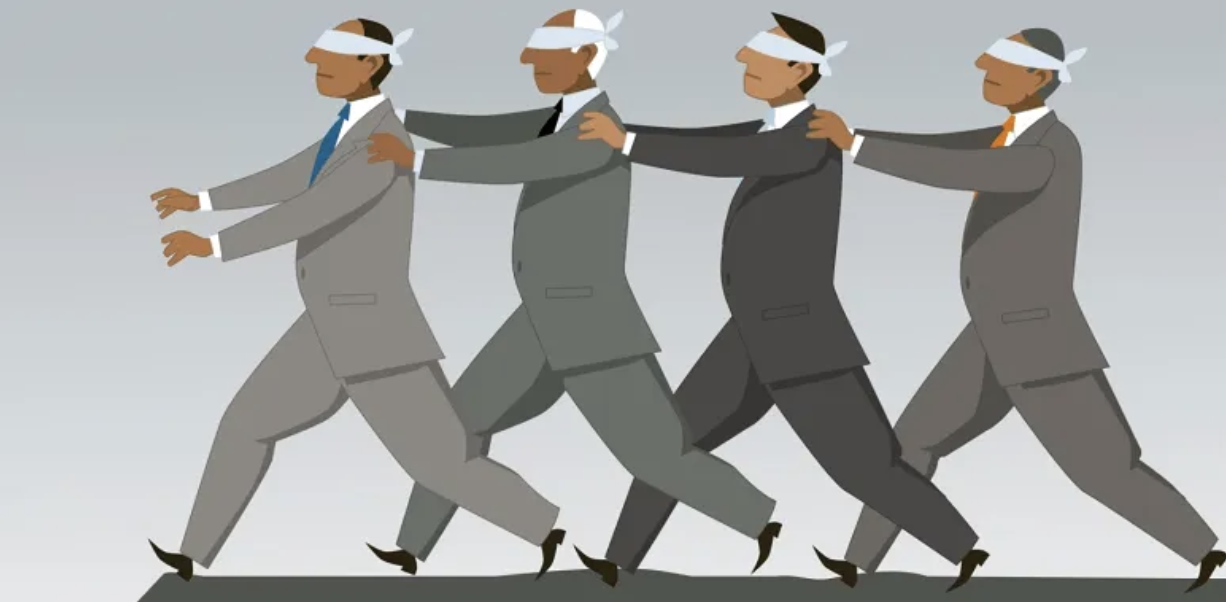
To be human is to be part of a group in one way or another. And in most cases, belonging to a group also means having to take some collective decisions. Have you ever observed people keeping their thoughts or opinions to themselves because they differ from that of the group? Have you ever refrained from challenging a certain decision …
The Curse of Knowledge
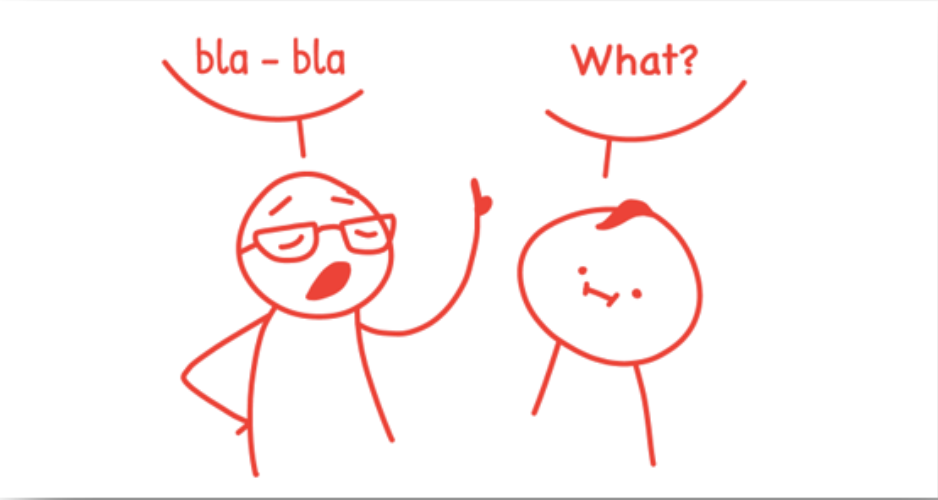
It happened four years ago. But I still remember it as if it is happening right now Maybe I was so embarrassed that my brain captured a live video and saved it safely. I was working with a start-up company as an HR and I was sent to Delhi along with my IT team of seven people to pitch our …

The Psychology of Self-Handicapping: Why Intelligent People Sometimes Sabotage Their Own Success
The concept of Self Handicapping was introduced by Edward Jones and Steven Berglas in 1978 to answer the question of why people tend to sabotage success or outcomes they seem to value the most. It refers to putting a barrier to one’s own success where in an event of failure is attributed to a lack of ability being diminished because …
Obsessive Compulsive Personality Disorder and the Fear of Being a Fool
Having an eye for detail puts the task in focus, but when the eye refuses to blink, the entire picture is blurred. This is a glimpse into how individuals with Obsessive Compulsive Personality Disorder (OCPD) struggle to finish tasks at hand. OCPD falls under Cluster C of personality disorders and includes symptoms that often tend to interfere with normal functioning, …
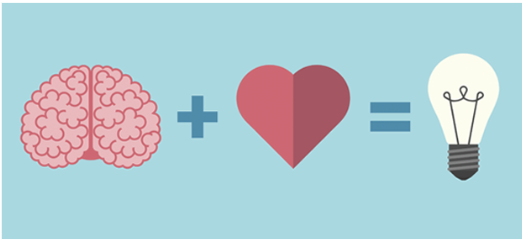
Emotions at Work: The IQ of Emotions
We need people in our workplace who can connect with others, who display empathy and understanding, (and) who understand emotions. More than ever, emotional intelligence is not just a ‘nice to have but a core capability for the future.’’ -Pip Russell, Strategy, innovation, and commercial operations vice-president, Schneider Electric (Capgemini, 2022) Intelligence is what helps us learn, process, adapt, and …

Corporate Social Responsibility and Corporate Social justice
Corporate social responsibility is a self-regulatory check for businesses to be socially accountable to their local and global community, customers, and stakeholders. It is based on the concept that businesses have a responsibility to do good. There are four main types of CSR activities; Environmental Responsibility: Research has found that just 100 companies are responsible for more than 70% of …