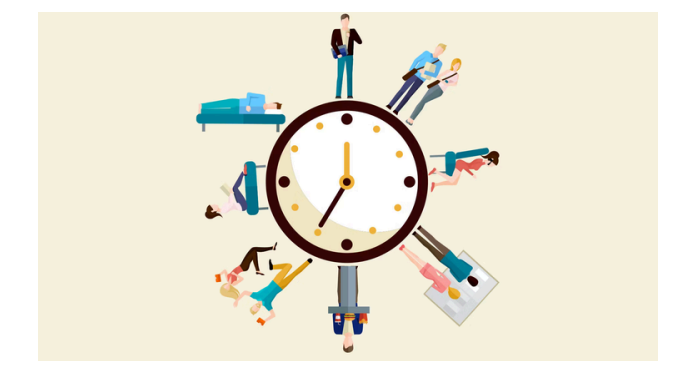
Clock face surrounded by people performing daily activities like sleeping, working, and exercising at different hours

Breaking Bad: Using Routine to Overcome Maladaptive Behavioral Patterns

Team IIBPBusiness Psychology, General Psychology, Issue 40, Mental Health, Mental Health Champions, Volume 4

We all hate routines, right? We often associate it with monotony and drudgery, believing they stifle our spontaneity and freedom. But what If I told you that routines when approached with the right mindset, can be the unsung heroes that bring positive transformation into our lives. Routines help us to build our cognitive habits which further influence our decision making …

Cartoon businessman with multiple arms juggling clock, checklist, phone, coffee, email, and book to show productive routine

Structure vs. Stress: How Routine Can be Your Shield against Anxiety

Team IIBPBusiness Psychology, General Psychology, Issue 40, Mental Health, Mental Health Champions, Volume 4

Routine. Sounds monotonous? Every morning waking up and struggling to decide what to do first, whether to have a coffee, or to go for a shower, or to go for a morning walk followed by breakfast. All of these things can cause stress and make you feel anxious. But being ahead of time and setting a routine can help you …

Unlocking Change – The Role of Adaptive Learning in Overcoming Phobias

Team IIBPAnveshan, Emotional Intelligence, Issue 39, Mental Health, Social Psychology, Talent Management, Volume 4

Phobias, which are characterized by irrational and intense fears of particular objects or situations, can have a profound impact on an individual’s overall well-being. Although the roots of phobias can be intricate, the introduction of adaptive learning methods has introduced novel avenues for assisting individuals in conquering these fears. This article explores the revolutionary impact of adaptive learning on phobia …

Social Learning and Curiosity: How Peer Interactions Foster Adaptive Learning

Team IIBPAnveshan, Emotional Intelligence, General Psychology, Issue 39, Mental Health, Social Psychology, Training and Development, Volume 4

A vital component of human growth and development is learning. While traditional educational institutions are important for acquiring knowledge, social connections, and peer involvement account for a sizable percentage of our learning. This type of learning, known as social learning, is closely related to curiosity, the need we all have to look around us, ask questions, and try to comprehend …

Emotional Factors in Decision Making, The Role of Affect in Clinical Context

Team IIBPAnveshan, Development Centers, Emotional Intelligence, Employee wellbeing, Issue 38, Mental Health, Volume 4

Ms. Shreya. P Decision making, the process of making choices, which probably determines a great range of lifestyles. Well, when a man makes a decision he thinks in more than one dimension, situation, time, place, social status, purpose and much more! What about emotional context? Like, what about it? How does the mood of a person, an emotional reflection of …

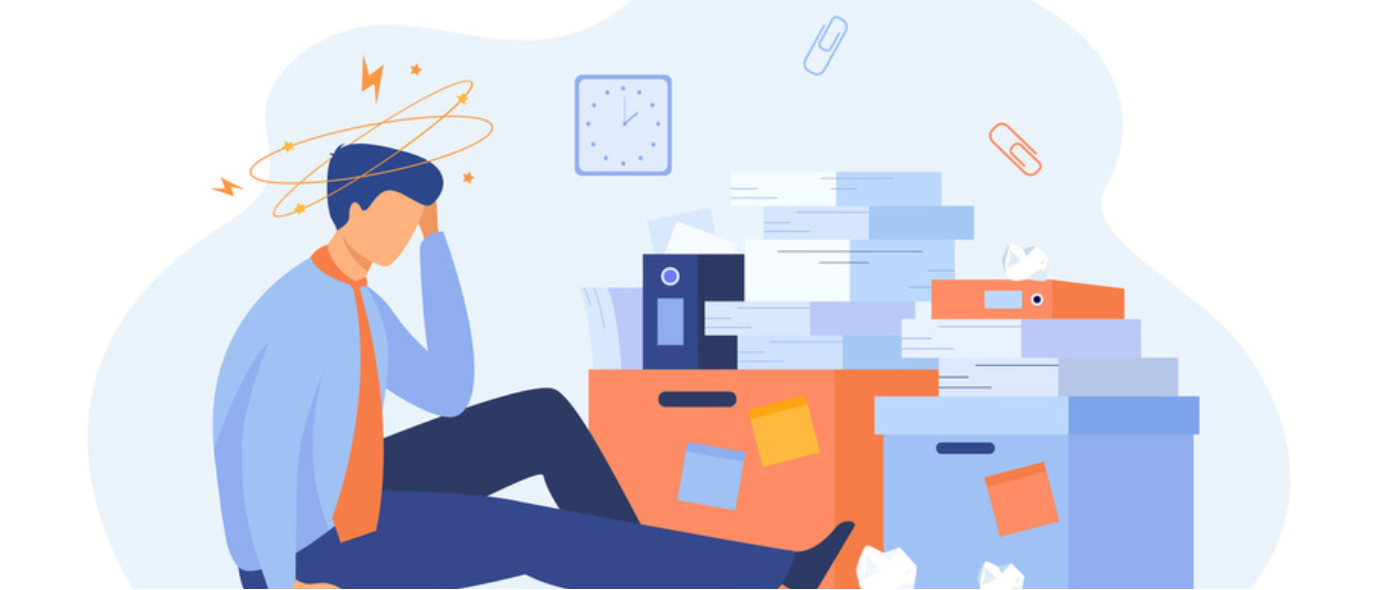
Illustration of a stressed office worker sitting beside piles of paperwork and files, holding their head in distress

The Influence of Anxiety Disorders on Work Performance

Team IIBPAnveshan, Employee Health, Employee wellbeing, Issue 37, Mental Health, Occupational Health, Volume 4

“Mental illness is a disease and like any other medical condition individuals need support, interventions and continued care to address their symptoms”– Angeleena Francis. According to a global prediction provided by Forbes Health in an article titled “Mental Health Statistics,” there are expected to be 374 million cases of anxiety disorders worldwide in 2023, a 25% increase from the previous …

Two contrasting human head silhouettes facing opposite directions against radiating colorful lines, symbolizing divided or

The Puzzle of personality disorders: Understanding the Blueprint of dysfunction

Team IIBPAnveshan, Business Psychology, Coaching, Emotional Intelligence, Employee Engagement, Employee Health, Employee wellbeing, General Psychology, Issue 37, Mental Health, Occupational Health, Organizational Culture, Organizational Development, Team Effectiveness, Training and Development, Volume 4

The ancient Greeks were among the first to elicit that certain personality traits are problematic. For instance, they described “melancholia” and “hysteria,” which can be seen as early descriptions of what we now know as personality disorders. Sigmund Freud and his psychoanalytic theory in the late 19th and early 20th centuries greatly influenced the understanding of personality disorders. Freud identified …

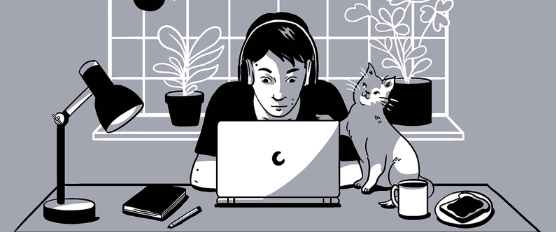
Illustration of a person wearing headphones working on a laptop at a desk with a cat, coffee mug, and desk lamp nearby

Managing a Remote/ Hybrid Work Lifestyle

Team IIBPAnveshan, Business Psychology, Emotional Intelligence, Employee Engagement, Employee Health, Employee wellbeing, General Psychology, Issue 36, Mental Health, Occupational Health, Organizational Culture, Volume 4

Managing a Remote/ Hybrid Work Lifestyle With remote/hybrid work environments, there is more time to enjoy a sip of our tea/coffee, spend that extra 10 minutes catching up on news/ social media, and an additional 15 minutes to be with our pets or children. And within a few minutes, we can quickly jump into a work meeting and shift context. …

Illustration of a person pushing against falling dominoes to stop the chain reaction, symbolizing emotional resilience and

Building Emotional Resilience: Tools for Managing Stress and Overwhelming Emotions

Team IIBPAnveshan, Business Psychology, Emotional Intelligence, Employee Engagement, Employee Health, Employee wellbeing, General Psychology, Issue 36, Leadership Development, Mental Health, Occupational Health, Organizational Culture, Volume 4

In our everyday life, we come across various life hassles that are a cause of stress for us. Some would cause minute inconveniences while some can have a profound effect on us. Emotional resilience helps us not only deal with these uncertain situations but also to come out of it as stronger individuals. Most of us must have heard of …