Remember when we thought of Artificial Intelligence as merely a smart tool like a sophisticated calculator or a chatbot that waited patiently for us to type a prompt? That era is already fading. We are witnessing a profound psychological and operational shift in business: the transition from AI as a “tool-mate” to AI as a “teammate”. Welcome to the age …
Underemployment: Obstacle or Opportunity?
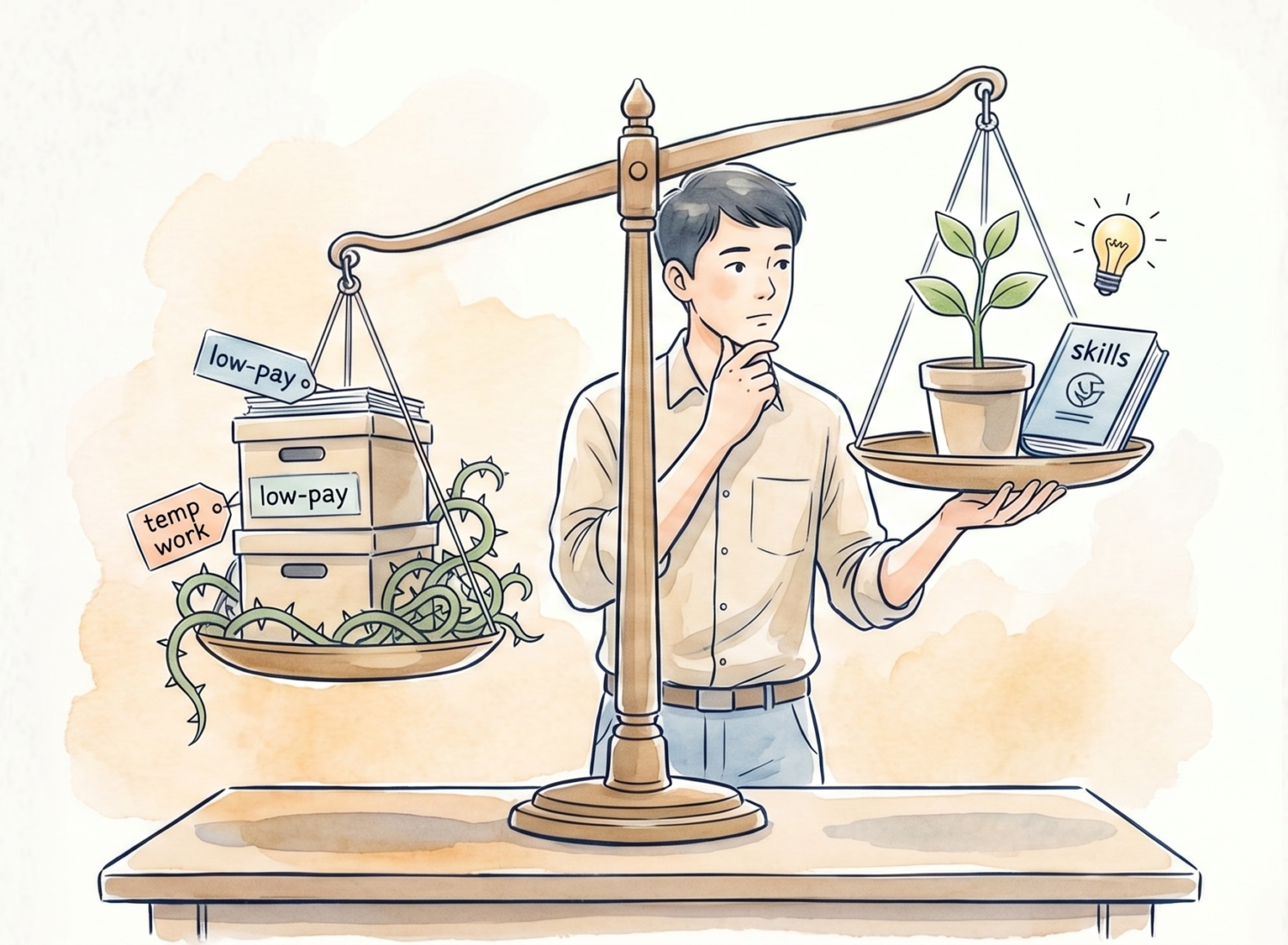
The feelings of underemployment for new employment form workers such as platform and gig workers creates both a risk and an opportunity. Underemployment here refers to the subjective experience of underused potential at work. It can either boost or damage the career satisfaction of employees depending on the perception of their skill, education, or the time that is being underutilised. …
Are Algorithms the New Boss? Exploring Al’s Role in Recruitment and Leadership
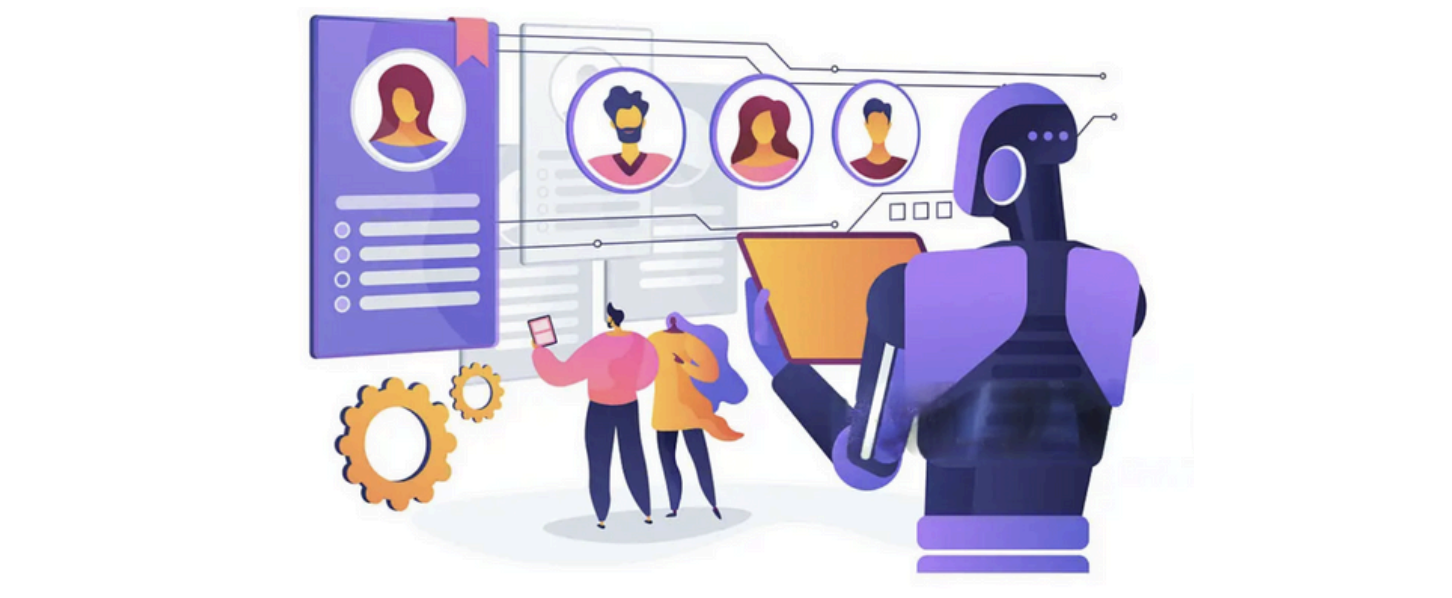
Artificial intelligence (AI) is rapidly reshaping the modern workplace, raising an important question for Industrial/Organisational (I/O) psychology: are algorithms becoming the new boss? From résumé screening to performance monitoring and leadership decision-making, AI-driven systems are increasingly embedded in organisational processes. While these tools promise efficiency and objectivity, they also introduce new psychological, ethical, and organisational challenges that I/O psychology is …
Do You See What I See? How Social Media Filters Shape Our Perceptions of Reality
Psychologically, social media filters transcend mere digital embellishments. They function at the nexus of perception, cognition, emotion, and identity, subtly shaping how individuals perceive reality, assess themselves, and comprehend others. Although filters are frequently viewed as innocuous enhancements, psychological investigations indicate that their pervasive application significantly impacts mental processes associated with self-concept, social comparison, and the construction of reality. At …
Mind over Metrics: How Cognitive Neuroscience Is Changing Organizational Decision-Making
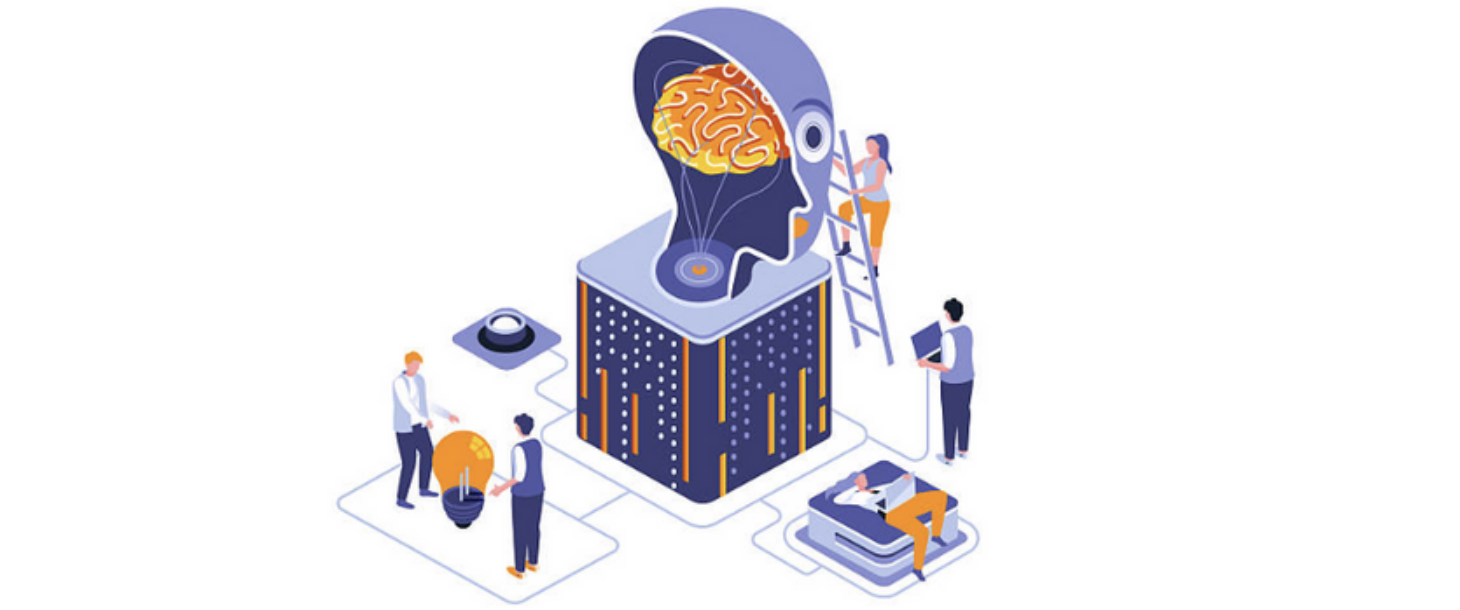
Decision-making sits at the heart of organizational life: who gets hired, promoted, funded, or trusted with responsibility. For years, organizations have tried to improve these decisions by balancing judgment and experience with data, analytics, and economic models. Yet many costly decision failures persist, not because leaders lack information, but because they are human. Over the last decade, growing attention has …
Employee Wellbeing and Organizational Success: Insights from Industrial Psychology
“Employee Wellbeing is not a part of the organizations; It’s the heart of the organizations” Employee safety and welfare can be considered the backbone of any organization. Proper working conditions and adequate health facilities should be treated as key priorities. To minimize workplace hazards, appropriate safety equipment must be provided, along with a trained safety and first-aid team. Regular training …
Mind over Metrics: How Cognitive Neuroscience Is Changing Organizational Decision-Making
It is easy to get carried away while doomscrolling on Instagram, repeatedly encountering videos discussing the same viral trends. Do you use girl math to justify spending because you’re “just a girl”? Have you labelled your male friend who drinks matcha and listens to Beabadoobee as “performative”? How many videos have encouraged you to “embrace your femininity”? Content like this …